Author: Cyrus Munyao

  • UN Climate Report Warns the World Is Losing Ground in the Fight Against Global Warming by Cyrus Munyao

    Climate Outlook Worsens as Global Emissions Remain a Major Concern

    A new United Nations climate report has raised concerns about the world’s progress in tackling global warming, warning that existing national commitments may not be sufficient to prevent increasingly severe climate impacts.

    According to the Associated Press, the report projects that the world could experience approximately 2.2°F (1.2°C) of additional warming relative to current levels, even if countries meet their existing emissions-reduction promises.

    The report also points to a worsening long-term outlook. Without much deeper emissions cuts, global temperatures could rise by approximately 2.6°C to 2.8°C above pre-industrial levels by 2100.

    Photo: Courtesy

    Such warming would significantly exceed the goals of the Paris Agreement, which seeks to limit the increase in global temperatures to well below 2°C while pursuing efforts to keep it to 1.5°C.

    The report identifies rising emissions and changes in US climate policy as significant factors affecting global progress. According to the Associated Press, the United States accounted for much of the increase in global emissions reported for 2025.

    Scientists warn that continued warming could intensify extreme weather events, increase pressure on agricultural production and water resources, and expose vulnerable communities to greater health and economic risks.

    For African countries, climate change is particularly important because many communities depend on rain-fed agriculture and natural resources for their livelihoods. Changing rainfall patterns, droughts, floods and extreme temperatures can threaten food security and place additional pressure on public services.

    Kenya and other countries in the region face the challenge of strengthening climate resilience while continuing to pursue economic development.

    The report reinforces calls for governments to accelerate the transition to cleaner energy, reduce greenhouse gas emissions and increase investment in adaptation measures.

  • Escalating Regional Tensions Prompt US Diplomatic Staff Departure by Cyrus Munyao

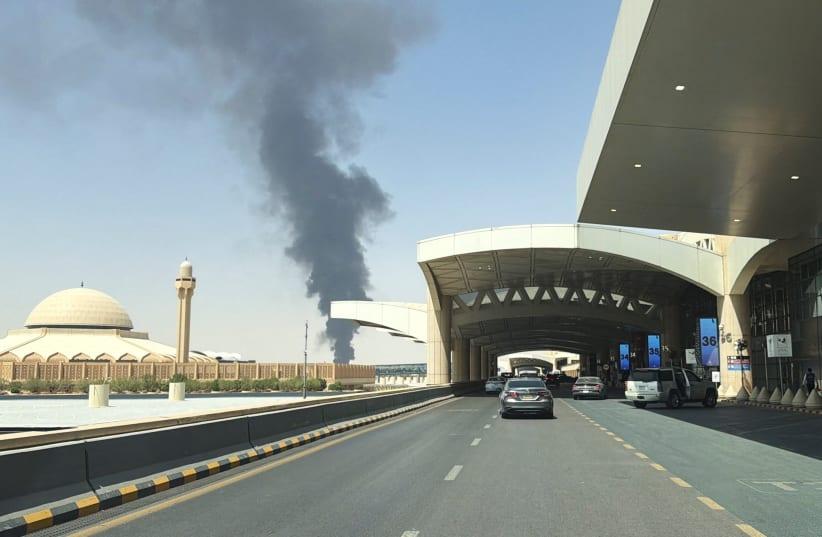
    The United States has ordered certain government employees and their families to leave Saudi Arabia following a series of deadly attacks attributed to Yemen’s Houthi movement, raising fears of further escalation in the Middle East.

    According to the Associated Press, the US State Department ordered the departure of non-emergency personnel and family members from American diplomatic missions in Saudi Arabia after attacks targeted civilian infrastructure.

    Photo: Courtesy

    The decision reflects growing concern over the security situation in the region, where missile and drone attacks have threatened airports, energy facilities and other critical infrastructure.

    On October 22, Reuters reported that attacks in Saudi Arabia had killed two people and injured eight at a civilian airport in Dammam. A separate drone strike on an oil field killed two additional people, according to the report.

    Saudi Arabia has responded with strikes against missile-launch sites and has said it is taking measures to protect its territory.

    The violence has also affected regional financial markets. Saudi Arabia’s benchmark stock index fell by approximately 1.2% on Thursday, while other Gulf markets also recorded declines amid concerns about security and economic stability.

    The US decision to reduce its diplomatic presence highlights the risks facing foreign personnel and civilians as hostilities intensify.

    The situation could have wider implications for regional trade, aviation, energy supplies and international diplomacy. Saudi Arabia is a major oil producer, while the wider Gulf region plays a significant role in global energy markets.

    Further escalation could increase pressure on the United States and other international actors to provide security assistance or pursue diplomatic measures to prevent the conflict from spreading.

  • Rising Oil Prices and Middle East Tensions Shake Global Financial Markets by Cyrus Munyao

    Global financial markets came under pressure on Thursday as rising oil prices and escalating geopolitical tensions heightened investor concerns about inflation, energy supplies and the outlook for economic growth.

    According to the Associated Press, international benchmark Brent crude rose by approximately 3.2% to $112.27 per barrel on October 22, while US benchmark crude increased by around 2.8% to $99.80 per barrel.

    Photo: Courtesy

    The increases followed reports from Iranian state television that seven oil tankers had caught fire and sustained damage in the Strait of Hormuz. The claims had not been independently confirmed in the report, but the possibility of further disruption to shipping raised concerns about global energy supplies.

    The Strait of Hormuz is a critical maritime route for international oil shipments. Any sustained disruption could affect the availability and cost of energy worldwide.

    Stock markets across Europe and Asia declined as investors reacted to the developments. Germany’s DAX fell by approximately 1.1%, France’s CAC 40 dropped by 1.3%, and Britain’s FTSE 100 declined by around 0.7% in early European trading.

    Asian markets also recorded significant losses, with Japan’s Nikkei 225 falling approximately 2.7% and South Korea’s Kospi declining by 3.5%.

    Higher oil prices could have consequences beyond financial markets. Rising energy costs may increase transportation and manufacturing expenses, put additional pressure on household budgets and complicate efforts by central banks to control inflation.

    For countries that depend heavily on imported fuel, including Kenya, sustained increases in international oil prices could contribute to higher domestic transport and production costs.

    However, the ultimate economic impact will depend on how long energy prices remain elevated and whether geopolitical tensions lead to further supply disruptions.

  •  Deadly Drone Attack in Sudan’s Disputed Abyei Region Kills More Than 150 by Cyrus Munyao

    Civilian Death Toll Rises Following Drone Strike in Disputed Region

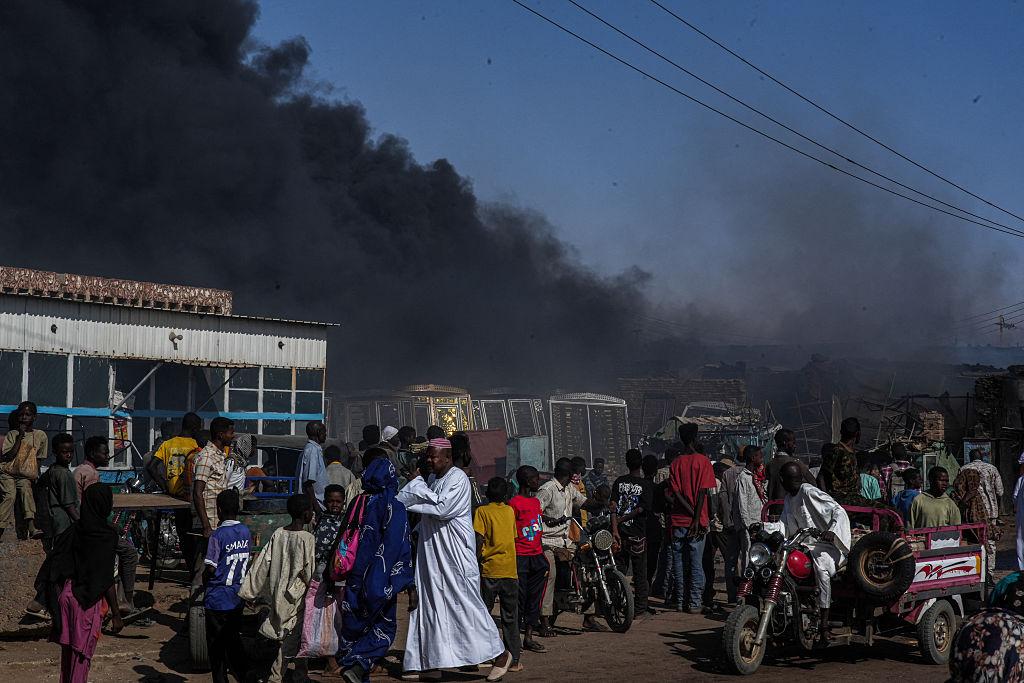
    A deadly drone attack in the disputed Abyei region has intensified concerns about civilian safety as Sudan’s prolonged conflict continues to cause widespread destruction and humanitarian suffering.

    According to reporting published by Nation Africa on October 21, more than 150 people were killed in a drone attack in the region, marking one of the deadliest incidents reported during the week.

    Photo: Courtesy

    Abyei is a contested territory between Sudan and South Sudan. Its disputed political status and strategic importance have contributed to persistent insecurity, leaving communities vulnerable to violence.

    The latest attack highlights the growing use of drones in the wider conflict involving Sudan’s armed forces and the paramilitary Rapid Support Forces. The fighting has devastated communities, disrupted essential services and forced millions of people from their homes.

    Civilian populations face serious challenges, including shortages of food, medical supplies and safe shelter. Continued violence also makes it more difficult for humanitarian organisations to reach affected communities and provide emergency assistance.

    The attack adds to growing international concern over the humanitarian consequences of Sudan’s conflict and the need for measures to protect civilians.

    Independent verification of the circumstances surrounding the attack and the final death toll remains important as further information emerges.

  • Ebola Outbreak Spreads to Nigeria, Raising Concerns Across Africa by Cyrus Munyao

    Ebola Cases Raise Alarm as Nigeria Reports New Infection

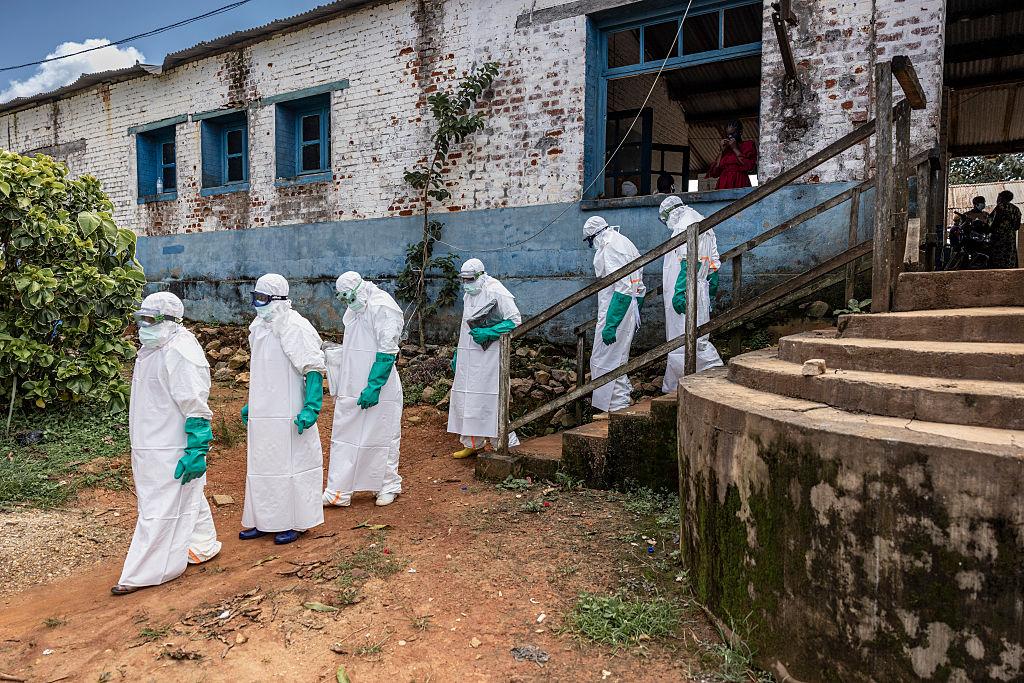
    Health authorities across Africa are intensifying efforts to contain an expanding Ebola outbreak after Nigeria confirmed a case of the disease, raising fresh concerns about the spread of infection across international borders.

    According to a report published by Reuters on October 22, Nigeria’s first Ebola patient in more than a decade was not tested for the virus until 13 days after falling ill. The delay has raised concerns about the effectiveness of early diagnosis and the challenges facing public health officials attempting to contain the outbreak.

    Photo: Courtesy

    The patient, a Ugandan-born woman married to a Swiss diplomat, arrived in Nigeria’s capital, Abuja, on October 3 after travelling to Uganda. She reportedly became ill several days later and initially sought treatment for what was suspected to be malaria before being tested for Ebola on October 19.

    Nigerian authorities have identified 44 contacts associated with the patient, although officials expect this number to increase as investigations continue.

    The outbreak, which began in the Democratic Republic of the Congo in May 2026, has spread to neighbouring countries, including Uganda and Kenya. Reuters reported that the outbreak had caused more than 9,500 infections and over 4,600 deaths in the Democratic Republic of the Congo alone.

    The outbreak involves the Bundibugyo strain of Ebola, for which there is currently no approved vaccine or specific treatment. Health experts are therefore emphasising early detection, isolation of suspected cases, contact tracing and international cooperation.

    The developments underscore the importance of strengthening disease surveillance and emergency response systems across Africa, particularly at international airports and other major transport hubs.

  • Japan Prepares Historic Mission to Collect Samples From a Moon of Mars

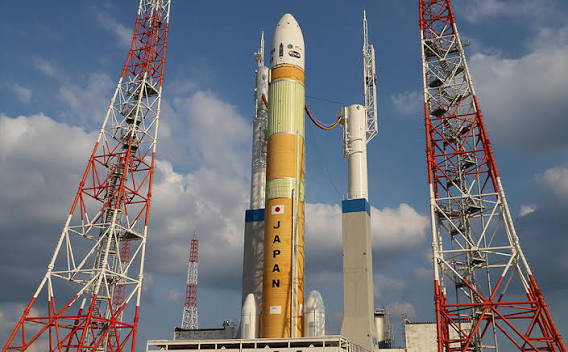
    Japan is preparing to launch an ambitious space mission designed to collect material from Phobos, one of the two moons orbiting Mars, and return the samples to Earth.

    The mission, known as the Martian Moons eXploration project, or MMX, is led by the Japan Aerospace Exploration Agency (JAXA).

    According to reports published on October 18, the spacecraft is scheduled to launch aboard Japan’s H3 rocket on October 20, subject to launch conditions and any schedule changes.

    Scientists hope the mission will help answer fundamental questions about how the moons of Mars formed and how the solar system evolved.

    Photo: JAXA

    Phobos is a small, irregularly shaped moon that orbits relatively close to Mars. Researchers have proposed different explanations for its origin, including the possibility that it formed from debris created by an ancient impact or was captured by the planet’s gravity.

    The spacecraft is expected to study Phobos, deploy a small rover, and collect at least 10 grams of material from its surface.

    The samples are scheduled to return to Earth in 2031.

    Researchers believe that analysing the material could provide valuable information about the composition of Phobos and the history of the Martian system.

    The mission also involves international scientific cooperation, with contributions from NASA and European space agencies.

    If successful, the project will represent a major milestone in planetary exploration and could help scientists better understand the conditions that shaped Mars and its surrounding environment.

  • Deadly Fire at Canadian Military Base Prompts Investigation

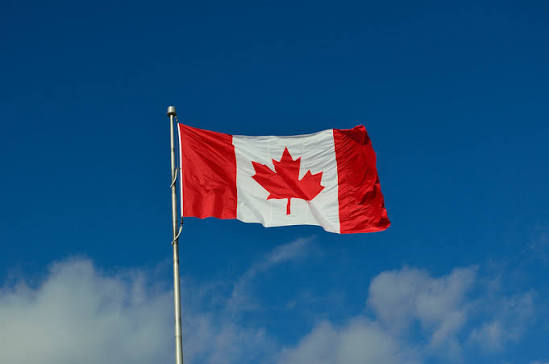
    Canadian authorities are investigating a serious incident at Canadian Forces Base Wainwright in Alberta after a major fire resulted in deaths and injuries.

    The incident occurred on Saturday, October 17, according to statements from Canadian officials.

    Defence Minister David McGuinty confirmed that people had been killed and injured but did not immediately provide a complete casualty count or establish the cause of the incident.

    Photo: Courtesy

    The fire reportedly began within a training area before spreading beyond the military base’s boundaries. Strong winds complicated the situation, prompting emergency services from surrounding communities to assist with the response.

    Hospitals in nearby Edmonton also prepared for an influx of casualties as the situation developed.

    Prime Minister Mark Carney expressed support for those affected, while the Royal Canadian Mounted Police became involved in the investigation.

    Canadian Forces Base Wainwright is an important military training facility used to prepare personnel for operational duties.

    Authorities have continued monitoring the situation as investigators work to determine what happened and whether additional safety measures are necessary.

    Further official statements are expected to provide more information about the circumstances surrounding the incident.

  • Pope Leo XIV Returns to Vatican Following Lung Cancer Surgery by Cyrus Munyao

    Pope Leo XIV has returned to the Vatican following surgery to remove a cancerous tumour from his right lung, marking an important step in his recovery.

    The 71-year-old pontiff was discharged from Rome’s Gemelli Hospital on Saturday, October 17, four days after undergoing surgery.

    According to reporting by the Associated Press, the Pope was scheduled to deliver the traditional Angelus blessing from the Apostolic Palace on Sunday, marking his first official appointment following his hospital discharge.

    The operation involved removing the lower lobe of his right lung after doctors identified adenocarcinoma, a form of lung cancer.

    His medical team has indicated that his recovery is progressing well. However, the full extent of the cancer’s spread has not been publicly established in the available reporting.

    Photo: Courtesy

    The Pope’s return has attracted attention from Catholic communities around the world, many of whom have followed updates about his health.

    His recovery also raises questions about how the Vatican will manage his schedule in the coming weeks, particularly ahead of planned international travel.

    Further medical updates and official Vatican announcements are expected to clarify the pace at which he resumes his normal responsibilities.

  •  Ukraine Launches Major Drone Offensive as Fires Hit Russian Oil Facilities

    The war between Russia and Ukraine has intensified following a major Ukrainian drone offensive targeting locations across Russian territory, including oil infrastructure in St. Petersburg.

    An Associated Press report published on October 18 said Ukrainian attacks sparked fires at the Petersburg Oil Terminal and the Ruchi oil depot. Regional authorities reported one death and five injuries.

    The attacks also reportedly targeted a logistics centre belonging to Russian retailer Ozon and a data centre associated with technology company VK.

    Photo : Courtesy

    Russia’s Defence Ministry said its forces had destroyed more than 1,000 Ukrainian drones across multiple Russian regions, Crimea, and the Black Sea area. These figures represent the Russian government’s account of the operation.

    The latest developments come amid disagreements over a proposed halt to attacks on energy infrastructure.

    Ukraine has accused Russia of continuing to target its energy facilities, while US President Donald Trump has criticised Ukrainian strikes against Russian oil infrastructure.

    The attacks underscore the growing importance of long-range drones in the conflict and raise further questions about energy security, civilian safety, and the prospects for diplomatic negotiations.

    Further developments could affect regional security and international energy markets.

  • Kenya Confirms Seven Ebola Cases as Health Authorities Intensify Response by Cyrus Munyao

    Kenya has confirmed seven Ebola cases, prompting renewed efforts by health authorities to contain the outbreak and prevent further transmission.

    According to a report published by the Associated Press on October 17, three healthcare workers who treated the country’s first confirmed patient have tested positive for the virus. Another individual linked to the initial case also tested positive while in quarantine.

    The country’s first confirmed patient, a 40-year-old Kenyan man, died on October 5 after arriving from the Democratic Republic of Congo, where a major outbreak involving the Bundibugyo strain has been reported.

    Kenyan health authorities have identified approximately 130 people who may have come into contact with the initial patient. Most have been placed in quarantine, while efforts continue to trace the remaining contacts.

    Authorities have also strengthened screening measures and established an emergency hotline for people concerned about possible exposure.

    The situation highlights the importance of early detection, contact tracing, infection prevention, and cooperation between neighbouring countries.

    The Ministry of Health’s latest updates will be important in determining whether additional cases emerge and how effectively the outbreak is contained.

    Photo: Courtesy