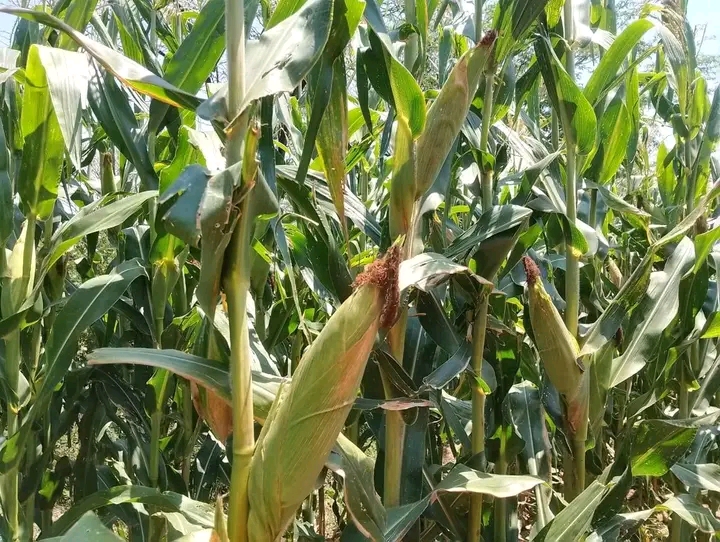
Farmers across Nakuru County have begun shifting to drought-resistant crop varieties as prolonged dry spells continue to challenge traditional farming methods.
County agricultural officers reported that more than 12,000 smallholder farmers have already received certified seeds of drought-tolerant maize and beans through a partnership between the national government and local cooperatives. The initiative aims to protect food security in one of Kenya’s key grain-producing regions.
Extension officers have been conducting field demonstrations in areas such as Njoro and Molo, teaching farmers improved water-conservation techniques and soil management practices.
Many participants said the new varieties have shown stronger performance during the short rains compared with older seed stocks. Local leaders expressed hope that the program will reduce reliance on emergency food aid in future dry seasons.
The county government has also linked the seed distribution drive to access to affordable micro-loans for irrigation equipment.
Several farmer groups in Bahati have already installed small-scale drip systems using the support. Officials noted that early results from pilot plots indicate higher yields even under limited rainfall conditions.
Community meetings scheduled for the coming weeks will expand the training to more wards.
Agricultural experts caution that long-term success will depend on consistent rainfall monitoring and continued investment in climate-smart farming. Residents say the program has restored optimism after consecutive seasons of reduced harvests.