Kenya has confirmed its first imported case of Ebola after a Kenyan citizen who had been living in the Democratic Republic of Congo (DRC) died while receiving treatment in Nairobi. Health Cabinet Secretary Aden Duale said the patient had lived in the DRC for seven years and developed symptoms about a month before travelling to Kenya. He arrived in Nairobi on October 3 after travelling by road from the DRC to Kampala, Uganda, before taking a flight to Nairobi. The patient was isolated at Nairobi Hospital after developing symptoms including fever, extreme fatigue, muscle pain, sore throat and bleeding under the skin. Health authorities have identified 28 people who had contact with the patient and are also tracing 23 passengers and four crew members who were on the same flight. The government has urged Kenyans to remain calm while strengthening surveillance and contact tracing.
Belgian-American physicist Francis Halzen has been awarded the 2026 Nobel Prize in Physics for his pioneering work on the IceCube Neutrino Observatory in Antarctica. The Royal Swedish Academy of Sciences announced the honour on Tuesday, praising his decisive contributions to detecting high-energy neutrinos from deep space.
Halzen, a professor at the University of Wisconsin–Madison, first proposed using the clear Antarctic ice as a giant detector in 1988. The IceCube project, completed in 2011, embeds thousands of light sensors in a cubic kilometre of ice to capture the rare flashes produced when neutrinos interact with matter.
These “ghost particles” travel vast distances across the universe without being deflected, carrying unique information about the most violent cosmic events. The observatory has already detected neutrinos originating far beyond our solar system and even from within the Milky Way.
At 82, Halzen described the award as a great surprise and credited the international team of scientists and engineers who helped turn his vision into reality. The prize includes 12 million Swedish kronor and highlights a major advance in a new form of astronomy.
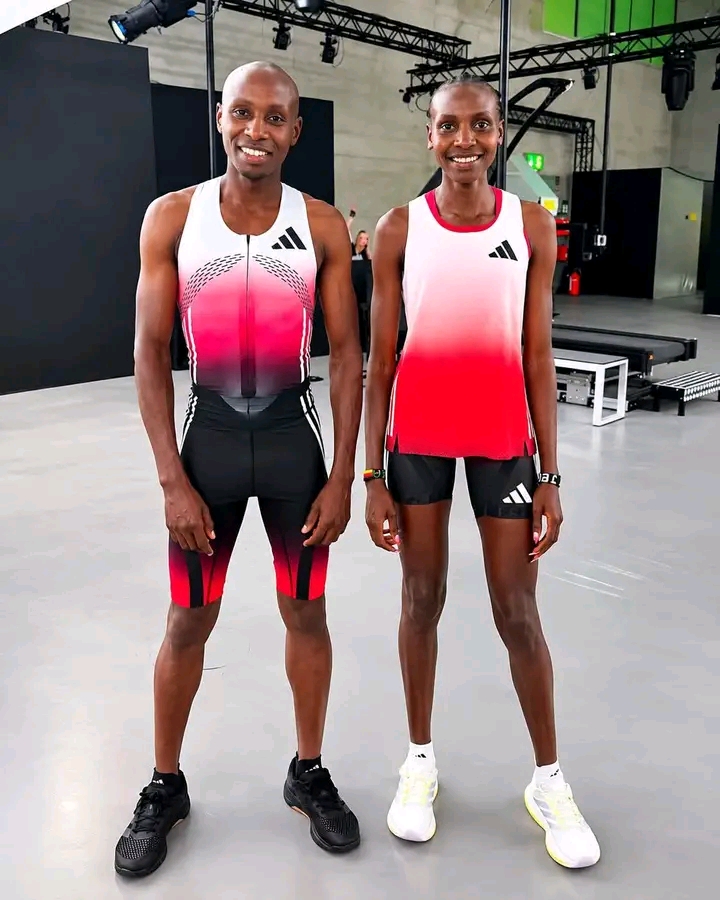
Kenya’s distance running stars Sebastian Sawe and Agnes Ngetich have been nominated for the 2026 World Athlete of the Year awards. World Athletics announced the shortlist of 20 athletes on Tuesday, recognising outstanding performances across track, field and road events.
Sawe made history at the London Marathon by becoming the first man to break the two-hour barrier in a record-eligible race, finishing in a world-record time of 1:59:30. Ngetich dominated the year by winning the world half marathon title in a women-only world record of 1:05:15 and claiming the world cross-country championship with a commanding victory.
The nominations place Kenya firmly on the global athletics stage once again. Winners will be announced at the World Athletics Awards gala in Monaco on 29 November, with six finalists set to be revealed earlier in November. The recognition comes as Kenya continues to celebrate its successful bid to host the 2029 World Athletics Championships, the first time the prestigious event will be held on African soil.
Security agencies have mapped out 109 organised criminal gangs operating across Kenya, with Western, Rift Valley and Nairobi regions recording the highest numbers. Officials warned that some of these groups could be used for political intimidation and violence as the country heads towards the 2027 General Election.
In a parallel operation, police have arrested 1,827 suspects linked to goonism and organised crime over the past eight months. The Interior Ministry said the crackdown forms part of a broader strategy to maintain peace and order during the election period. The identification exercise involved intelligence gathering and coordination between national and county security teams.
Authorities emphasised that the gangs pose a threat not only to political stability but also to ordinary citizens through everyday criminal activities. Officials have vowed to sustain the operations and work closely with communities to dismantle the networks, urging the public to report any suspicious activities linked to these groups.
Detectives have arrested a 23-year-old man in connection with the brutal murder of Joy Wangui, an 18-year-old Form Four student at Molo Secondary School whose body was found beheaded. The Directorate of Criminal Investigations confirmed that Walter Kipkoech was tracked down while hiding in Kuresoi North and taken into custody.
The killing has shocked the Molo community and sparked widespread outrage across the country. Police said the suspect is helping with investigations as officers gather more evidence before he is arraigned in court. A second suspect remains at large and is being actively sought.
Local leaders and residents have called for swift justice and greater protection for young people in the area. The case has highlighted ongoing concerns about rising violent crime in parts of the Rift Valley.
Authorities have appealed for anyone with additional information to come forward, assuring the public that the investigation is a top priority and that all leads are being followed thoroughly.
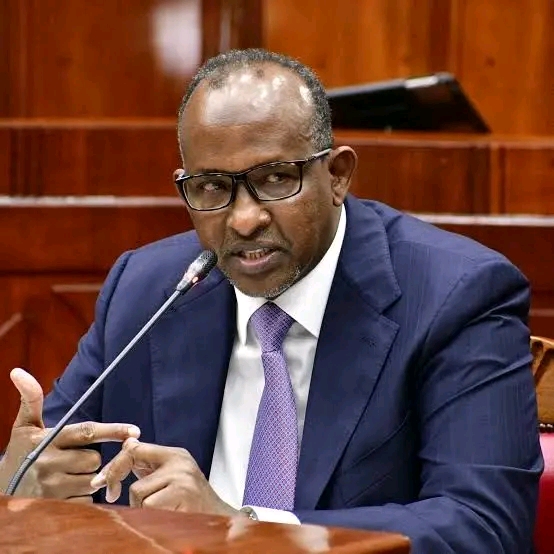
Kenya has recorded its first case of Ebola after a Kenyan citizen who lived in the Democratic Republic of Congo for seven years died at a Nairobi hospital on Monday night. Health Cabinet Secretary Aden Duale announced the confirmation on Tuesday, noting the patient had fallen ill about a month earlier and received treatment in several hospitals in the DRC before travelling home.
The man travelled by road from the DRC to Kampala, then boarded Jambojet flight 8523, arriving at Jomo Kenyatta International Airport on Saturday at 1.10pm.
He passed routine public health screening before a relative and friend drove him directly to Nairobi Hospital, where doctors isolated him after he presented with fever, chills, intense fatigue, muscle pain, sore throat and bleeding under the skin.
Laboratory tests at the National Virology Reference Laboratory and KEMRI confirmed Ebola Bundibugyo virus. The patient received supportive treatment but died around 11.30pm on Monday.
Authorities have identified 28 contacts, including family members and healthcare workers, and are tracing 23 passengers and four crew members from the same flight for quarantine. A safe and dignified burial is planned under strict public health protocols.
The Ministry of Health has screened hundreds of thousands of travellers since the DRC outbreak began and continues to urge the public to remain calm while following official guidance.
Fashion is not only about wearing expensive clothes. For men, looking sharp often comes down to understanding colour, fit and how different pieces work together.Unfortunately, many men put little thought into the colours they combine. A good shirt can easily lose its appeal when paired with trousers or shoes that clash with it. On the other hand, a simple outfit in the right colour combination can make a man look polished, confident and sophisticated.For men who want to improve their dressing without constantly buying new clothes, building a wardrobe around a few classic and versatile colours is a good place to start.
1. Navy blue — the ultimate classicNavy blue is one of the safest colours for a man’s wardrobe. It is sophisticated, versatile and suitable for both formal and casual occasions.A navy blazer can be worn with grey trousers, khaki chinos or even well-fitted jeans. A navy shirt can also work well with beige, white, grey or black trousers.Best combinations: Navy + white, navy + grey, navy + beige, navy + light blue.If a man is unsure about what to wear, navy is often a reliable choice.
image : Courtesy
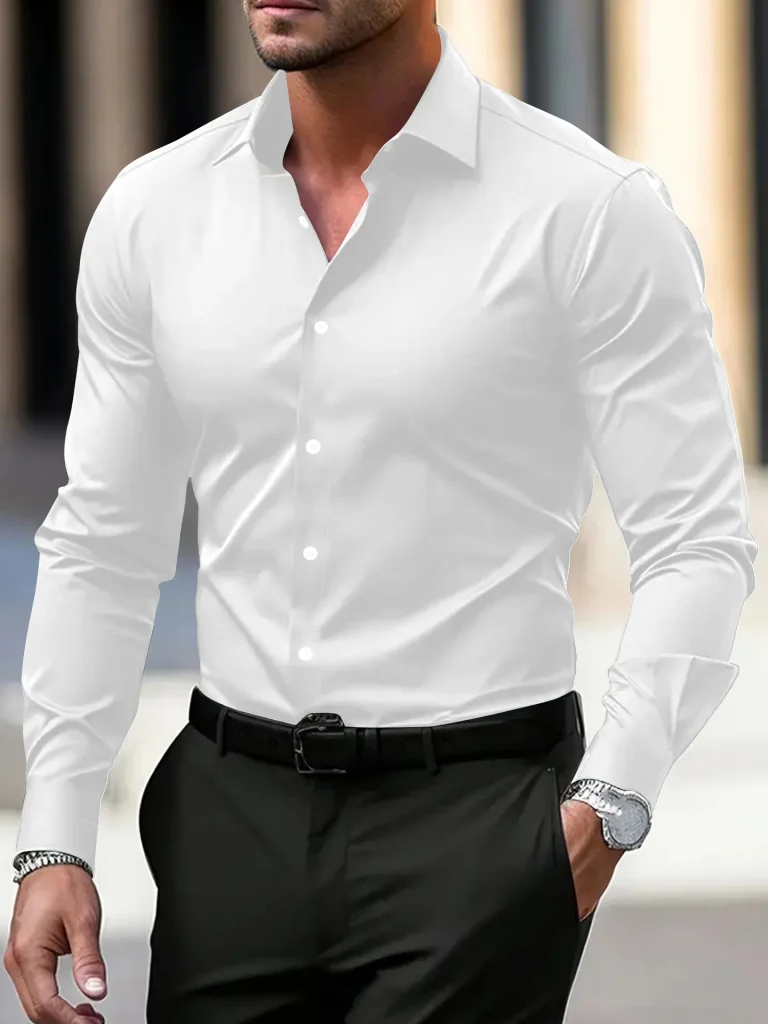
2. White — simple but powerfulEvery man should own several good-quality white shirts and T-shirts.White works with almost everything and provides an excellent foundation for building an outfit. A crisp white shirt paired with navy or charcoal trousers can create a clean, professional appearance without being overly complicated.For a casual look, a white T-shirt can be paired with dark jeans, chinos or trousers.The secret with white clothing is cleanliness and fit. A poorly fitting or stained white shirt can have the opposite effect.
photo: courtesy
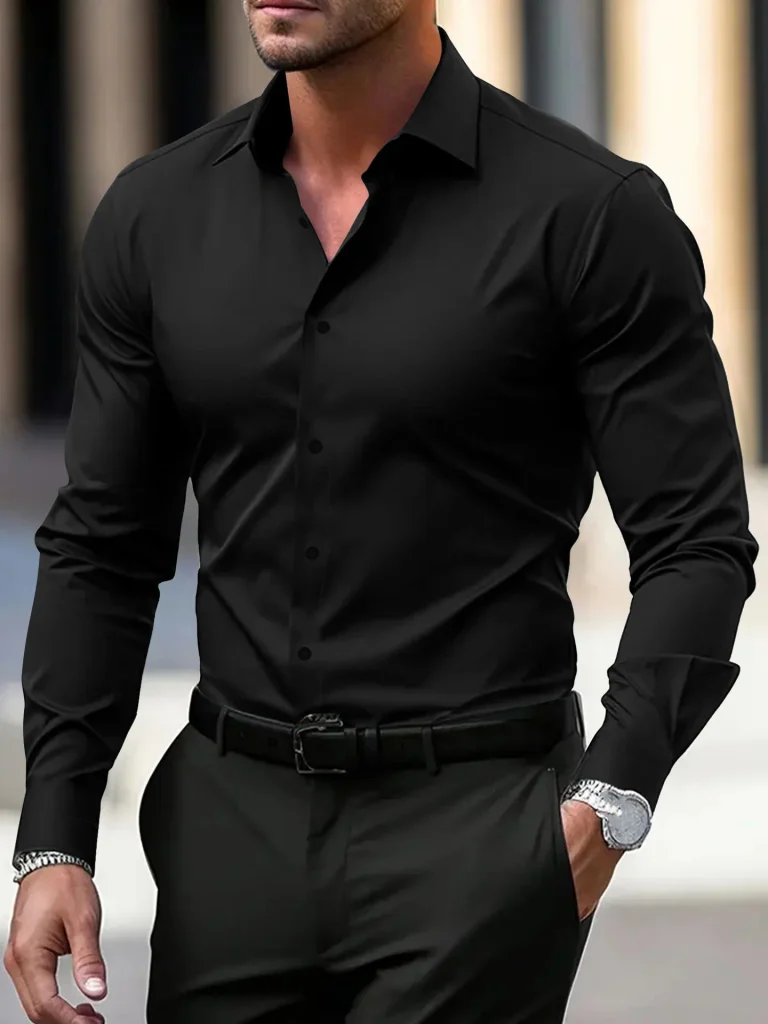
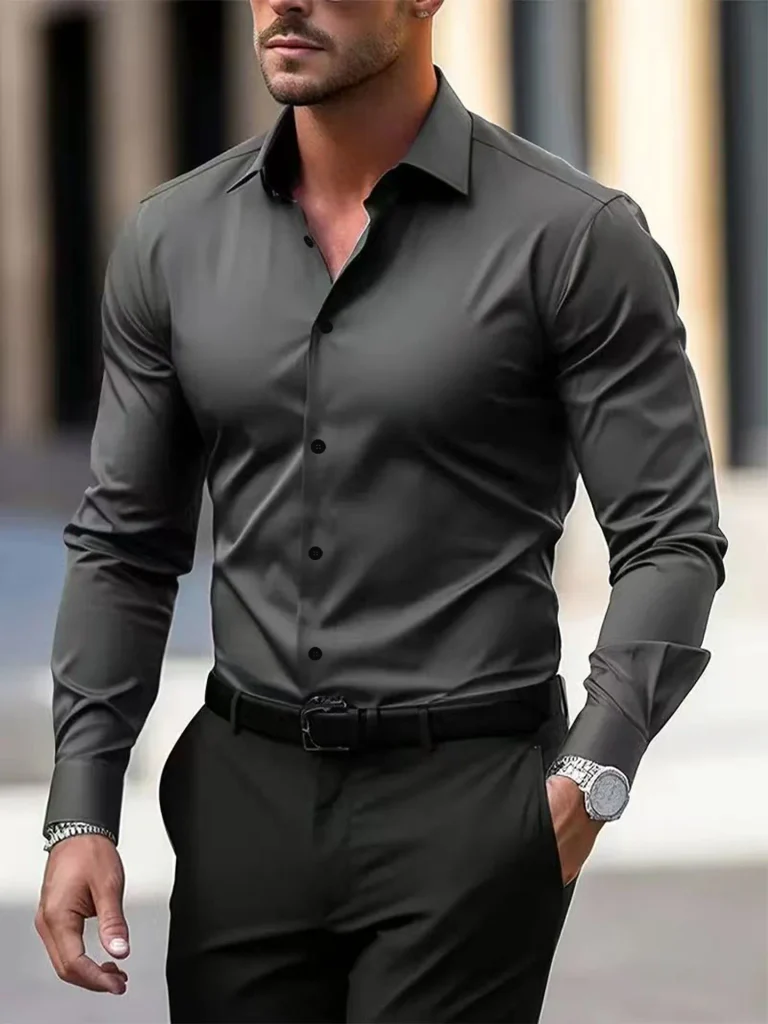
3. Black — elegant and timelessBlack is another essential colour because of its simplicity and versatility.A black shirt can be paired with grey, beige or dark trousers, while black trousers can work with white, blue, burgundy and other neutral-coloured shirts.However, men should be careful about wearing black from head to toe unless the occasion and style call for it. Breaking an all-black outfit with another colour can sometimes create a more balanced appearance.
image: courtesy
4. Grey — the underrated gentleman’s colourGrey is one of the easiest colours to incorporate into men’s fashion.From light grey to charcoal, the colour works particularly well for trousers, suits, sweaters and jackets.A charcoal suit with a white shirt is a timeless combination. Light-grey trousers can also be paired with navy, black, white or burgundy tops.Grey is particularly useful because it can soften stronger colours without creating a colour clash.
image : coutesy
5. Beige and khaki — perfect for smart-casual dressingBeige and khaki are excellent choices for men who want to look stylish without appearing overdressed.Khaki chinos, for example, can be paired with navy, white, light blue, burgundy or dark green shirts.A beige trouser combined with a navy shirt and brown shoes can create a sophisticated smart-casual appearance.These colours are especially useful for daytime events, casual Fridays, weekend outings and social occasions.6. Light blue — fresh and sophisticatedLight blue is particularly effective for shirts. It gives a softer appearance than dark blue while remaining professional.A light-blue shirt can be worn with navy trousers, charcoal trousers, beige chinos or dark jeans.For a man building his first proper wardrobe, a well-fitted light-blue shirt is a worthwhile investment.
image : courtesy
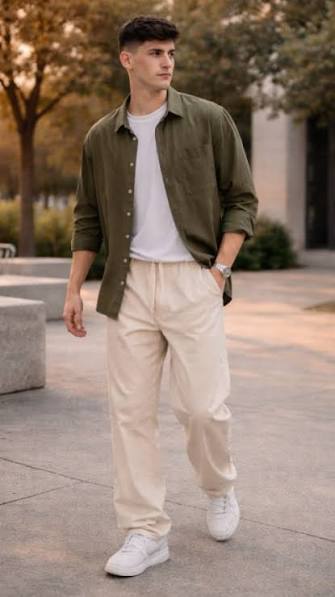
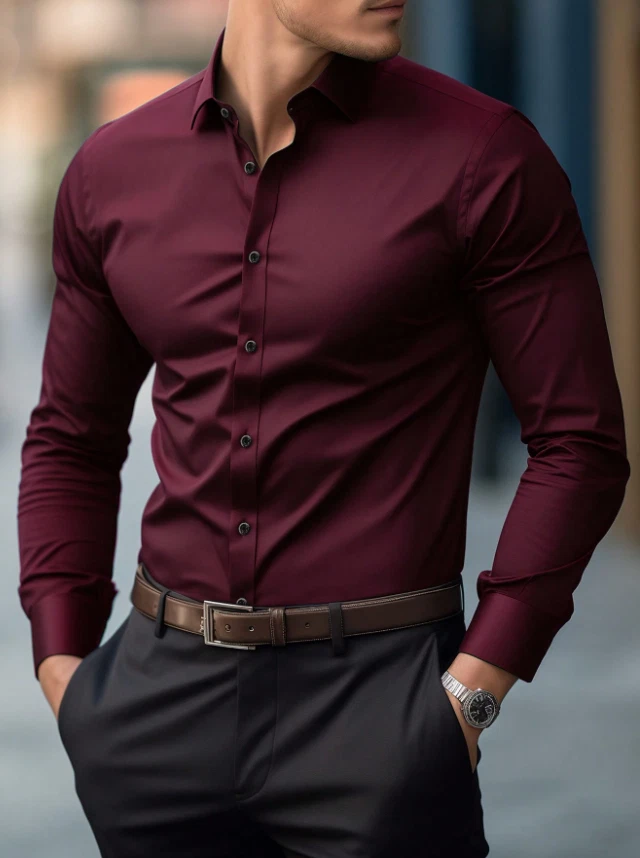
7. Burgundy — add colour without overdoing itNot every man’s wardrobe needs to be dominated by neutral colours. Burgundy can add personality while still looking mature.A burgundy shirt, sweater, tie or pocket square can work beautifully with navy, grey, black or beige.The important thing is moderation. Burgundy should generally be used as a feature colour rather than combined with several other strong colours at once.8. Olive and dark green — stylish and masculineOlive and dark green have become increasingly popular in men’s fashion because they provide colour without being too loud.Olive trousers can be paired with white, black, beige or navy tops. A dark-green shirt can work well with black, beige or grey trousers.These colours are particularly good for casual and smart-casual outfits.The golden rule: Don’t let your colours competeOne of the biggest mistakes men make is wearing too many strong colours at the same time.For example, combining a bright red shirt, yellow trousers, green shoes and a colourful jacket can make an outfit look confused rather than fashionable.A better approach is the three-colour rule: try to keep an outfit to around three colours, with at least one of them being a neutral colour such as white, black, navy, grey, beige or brown.
image : courtesy
For example:
Navy shirt + beige trousers + brown shoes = classy.
White shirt + charcoal trousers + black shoes = classic.
Light-blue shirt + navy trousers + brown shoes = sophisticated.
Burgundy shirt + black trousers + black shoes = sharp
.
Olive shirt + beige trousers + brown shoes = stylish and relaxed.
Don’t forget the shoesColour coordination does not stop with the shirt and trousers. Shoes can either complete an outfit or ruin it.
Brown shoes generally work particularly well with navy, beige, khaki and other lighter colours.
Black shoes are excellent with black, charcoal and many formal outfits.
For casual wear, clean white or neutral sneakers can work with jeans, chinos and other relaxed outfits.The belt should also generally complement the colour of the shoes, particularly in formal dressing.Fit matters more than the price tag a man does not necessarily need designer clothes to look fashionable.A reasonably priced shirt that fits properly, is clean and well-ironed can look considerably better than an expensive shirt that is too large, too tight or poorly matched with the rest of the outfit.Men should pay attention to shoulder fit, trouser length, shirt length and overall proportions.Build a wardrobe, don’t collect random clothesInstead of buying clothes simply because they look attractive on the rack, men should ask themselves whether the new item can be combined with what they already own.A practical wardrobe can start with:
White shirts and T-shirtsLight-blue shirtsNavy shirts or jacketsBlack trousersCharcoal or grey trousersBeige/khaki chinosDark jeansBrown and black shoesA navy blazerA few understated accessories
With these basics, a man can create numerous combinations without constantly buying new clothes.The bottom lineLooking classy is less about wearing many colours and more about knowing which colours work together.Men do not have to follow every fashion trend. By building their wardrobes around timeless colours such as navy, white, black, grey, beige, light blue, burgundy and olive, they can create outfits that look deliberate, clean and sophisticated.Ultimately, good fashion sends a simple message: you took time to present yourself well. And sometimes, the difference between looking ordinary and looking exceptionally sharp is not the price of the clothesit is simply choosing the right colours and wearing them with confidence.
The Central Bank of Kenya (CBK) has accepted bids worth KSh8.96 billion in a Treasury bond switch auction involving a 15-year government security.The auction, dated October 7, 2026, involved the FXD1/2018/015 Treasury bond, which has a tenor of 15 years and approximately 6.6 years to maturity.
The bond is due on May 9, 2033.According to the CBK auction results, the government had offered KSh10 billion worth of the bond but received total bids amounting to KSh9.08 billion, representing a 90.81 per cent performance rate.Of the bids received, CBK accepted KSh8.96383 billion. Competitive bids accounted for KSh7.04125 billion, while KSh1.92258 billion came through non-competitive bids.The auction recorded a bid-to-cover ratio of 1.01, indicating that the amount of bids received was only marginally higher than the amount on offer.The market-weighted average rate stood at 12.6126 per cent, while the weighted average rate of accepted bids was slightly lower at 12.6112 per cent.The bond was priced at 105.0721 per cent, against a coupon rate of 12.65 per cent.KSh8.78 billion switched from existing bondsAs part of the transaction, the CBK said KSh8.77915 billion was switched from the source bonds into the new destination security.The source securities were FXD1/2024/003, with a Kenya shilling face value of KSh6 billion, and FXD2/2013/015, with a face value of approximately KSh4 billion.The switch allows investors holding the specified existing government securities to exchange them for the new FXD1/2018/015 bond, helping the government manage its debt portfolio and maturity profile.The CBK also indicated that details of upcoming Treasury bond issues for October 2026, including their tenors, amounts and coupon rates, would be provided in the respective prospectuses before the issue dates.The auction results were signed by David Louisa, Director of Financial Markets, and dated October 5, 2026.
The Central Bank of Kenya (CBK) has published its daily foreign exchange rates for Tuesday, October 6, 2026, showing the Kenya shilling’s indicative value against major international and regional currencies.
According to the CBK rates, the US dollar is trading at KSh129.79, while the British pound is quoted at KSh171.36. The euro stands at KSh145.25.
The Japanese yen is listed at KSh82.06 per 100 yen.
Among selected regional currencies, the Ugandan shilling is quoted at KSh31.00, while the Tanzanian shilling stands at KSh20.41. The Rwandan franc is trading at KSh11.35, while the South African rand is quoted at KSh7.78.
CBK indicative rates for October 6
Currency
Rate in Kenya shillings
US Dollar (USD)
129.79
British Pound (GBP)
171.36
Euro (EUR)
145.25
Japanese Yen (100 JPY)
82.06
Ugandan Shilling (UGX)
31.00
Tanzanian Shilling (TZS)
20.41
Rwandan Franc (RWF)
11.35
South African Rand (ZAR)
7.78
The exchange rates provide an indicative benchmark for the value of the Kenya shilling against major global and regional currencies and are used as a reference by businesses, financial institutions and individuals involved in foreign-currency transactions.
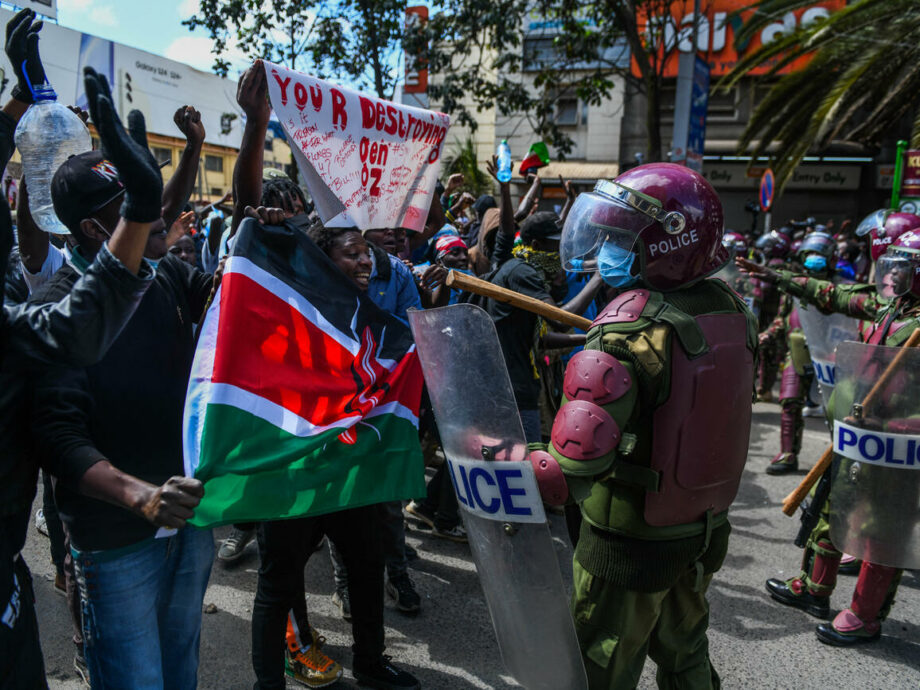
The government has formed an inter-agency team to fast-track the implementation of new regulations governing public demonstrations, picketing and police conduct during protests.
The development follows a March 25, 2026 High Court judgment that ordered the State to publish regulations governing demonstrations, picketing and police use of force against protesters.
The inter-agency team includes representatives from the Office of the Attorney-General, Interior Ministry, National Police Service, Kenya National Commission on Human Rights, National Police Service Commission and the Independent Policing Oversight Authority (IPOA), among other agencies.
The court was informed that the committee had prepared a roadmap to guide implementation of the judgment and was supporting the Public Order Management Bill, 2025, which is before the National Assembly.
The proposed Bill is intended to replace the existing Public Order Act and provide a framework for implementing Article 37 of the Constitution, which protects the right to assemble, demonstrate, picket and present petitions peacefully and unarmed.
The development comes after the court found that State agencies had failed to meet a 90-day deadline set for publishing the regulations. The court also directed IPOA to investigate allegations involving deaths and injuries during demonstrations and provide updates on its investigations.
The government has sought additional time to complete the required processes.