Photo: Courtesy

Controversial preacher Paul Nthenge Mackenzie has been sentenced to 200 years in prison following his conviction over the deaths of 191 people, including 190 children, in the Shakahola massacre in Kilifi County.
Mombasa High Court Judge Diana Kavedza delivered the sentence on Friday, November 6, 2026, bringing a significant development in one of Kenya’s most disturbing criminal cases.
Mackenzie, the founder of Good News International Church, was convicted alongside 28 co-accused on October 19, 2026, after the court established their involvement in a system of forced fasting that resulted in the deaths of hundreds of followers.
The court sentenced Mackenzie to 100 years for 183 counts of murder by starvation and another 100 years for eight counts of murder by direct homicide.
The sentences within each category will run concurrently, while the two categories will run consecutively, resulting in an aggregate prison term of 200 years.
The prosecution had sought the death penalty for Mackenzie, arguing that the magnitude and brutality of the crimes warranted the maximum punishment.
However, Justice Kavedza declined to impose capital punishment, explaining that executing Mackenzie could potentially reinforce the extremist beliefs associated with the tragedy.
The judge observed that individuals who regard death as a pathway to heaven might perceive execution as a form of victory rather than punishment.
The court also considered the possibility that keeping the convicts alive could help investigators establish the whereabouts of other missing victims and provide answers to affected families.
Photo: Coutesy

Mackenzie’s co-accused also received lengthy prison sentences for their respective roles in the killings, with some receiving terms of up to 160 years.
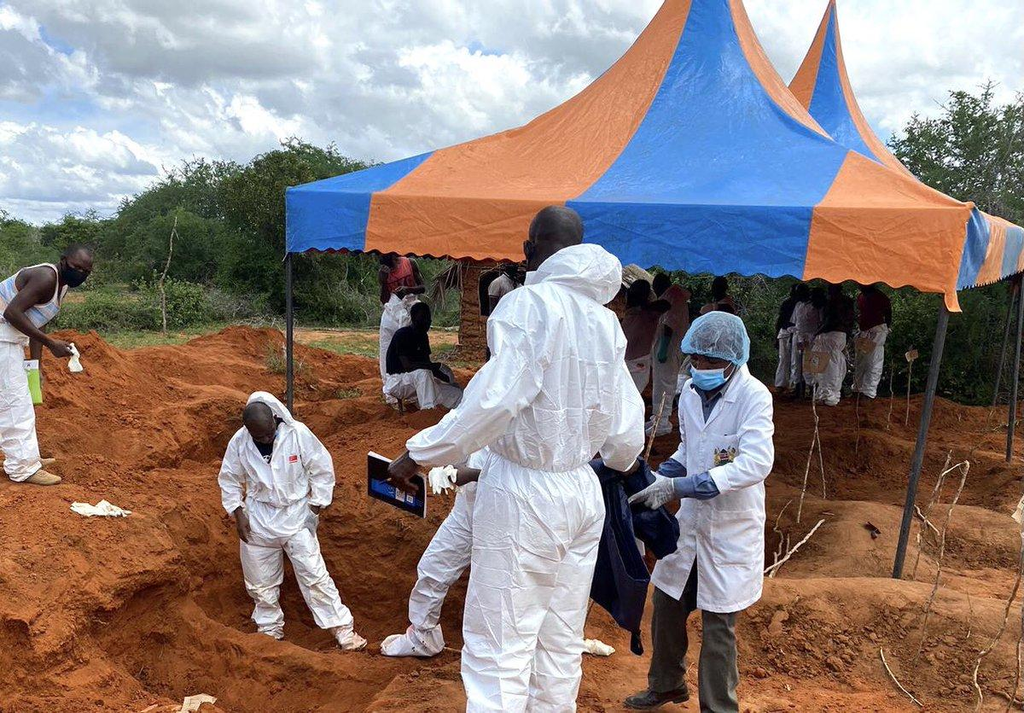
The Shakahola tragedy came to national attention in April 2023 after police discovered mass graves in Shakahola Forest, near Malindi in Kilifi County.
Investigations revealed that followers of Mackenzie’s church had been subjected to extreme fasting after being persuaded that starving themselves would enable them to meet Jesus Christ.
Evidence presented during the trial indicated that children were among the first victims targeted by the fasting instructions, with some followers allegedly subjected to intimidation, confinement and physical violence.
Authorities have recovered more than 400 bodies from the forest, although the current convictions relate to 191 deaths.
The tragedy sparked nationwide debate over religious extremism, child protection and the regulation of religious institutions in Kenya.
The Directorate of Criminal Investigations welcomed the sentencing, describing it as an important milestone in the pursuit of justice for victims and their families.
The case has also raised questions about the effectiveness of government oversight and the ability of security agencies to identify and intervene in potentially dangerous religious movements before lives are lost.
Mackenzie’s sentencing marks a major legal milestone in the Shakahola case, although further investigations and legal proceedings may continue as authorities seek answers about the remaining victims.
Photo:Courtesy
Leave a Reply