NAIROBI — October 2, 2026
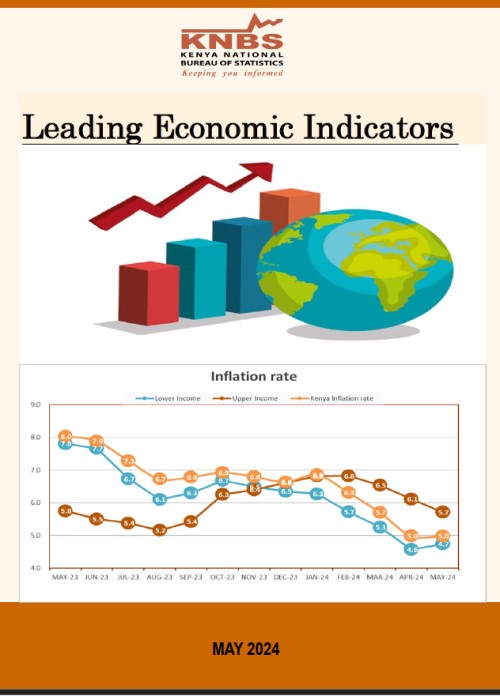
Kenya’s annual inflation rate climbed to 6.8% in September, up from 6.6% in August, as higher food and transport costs continued to put pressure on households and businesses.
The latest figures from the Kenya National Bureau of Statistics (KNBS) show that the Consumer Price Index rose from 155.85 in August to 156.47 in September, equivalent to a 0.4% monthly increase.
Three categories accounted for much of the pressure: food and non-alcoholic beverages, transport, and housing, water, electricity, gas and other fuels. Together, the categories account for more than 57% of the weight in Kenya’s 13 major expenditure groups.
Food and non-alcoholic beverages recorded annual inflation of 9.5%, while transport prices were up 15.6% year-on-year. Housing, water, electricity, gas and other fuels rose 3.2%. K
Food costs remain a major pressure point
The September figures show that inflation is not affecting every product equally.
Fresh packeted milk rose by 6% during the month, while UHT milk increased by 8%. White wheat flour rose 4.5%, cabbage prices climbed 6.2% and potatoes increased 3.3%.
Other products moved in the opposite direction. Tomatoes fell 4.1%, while sugar declined 0.4%. Electricity prices also fell during the month according to the KNBS consumer-price measure. P
Transport remains particularly significant for companies because fuel and logistics costs feed into the prices of goods and services throughout the economy.
KNBS recorded annual transport inflation of 15.6%. Diesel was priced at an average of KSh219.04 per litre, 26.9% higher than a year earlier, while petrol averaged KSh214.95 per litre, up 15.8% year-on-year.
For manufacturers, retailers, restaurants, distributors and transport operators, higher logistics costs can put pressure on margins or force businesses to pass some costs on to customers.
The headline 6.8% figure also conceals an important divergence within the inflation basket.
KNBS reported core inflation of 4.0%, up from 3.4% in August, while non-core inflation stood at 14.0%. Food and non-alcoholic beverages contributed 2.8 percentage points to headline inflation, while transport contributed 1.6 percentage points.
The data provide a mixed picture for businesses. On one hand, some costs—including selected food items and electricity—have eased. On the other, transport and several everyday food products remain significantly more expensive than a year ago.
For consumers, that combination can influence spending decisions. For businesses, it complicates pricing, wage negotiations, inventory planning and forecasts for consumer demand.
Kenya’s September inflation release will therefore be closely watched by companies and financial institutions as they assess the final quarter of 2026.
Leave a Reply