NAIROBI, Kenya October 16, 2026
Kenya has confirmed a third case of Ebola virus disease after a 65-year-old woman tested positive while in quarantine, prompting health authorities to intensify contact tracing and surveillance to prevent further spread of the virus.
The Ministry of Health said the woman, a close relative of the first two confirmed patients, developed fever, a sore throat and general weakness before laboratory tests confirmed the infection. She had been in quarantine since October 6 and was transferred to an infectious disease unit, where she is receiving supportive medical care.
Photo: Courtesy
Health officials said the early detection of the infection was important in reducing the risk of further transmission. The second patient, a 39-year-old man from the same family, was reported to be in stable condition.
The three cases are linked to Kenya’s first confirmed patient, a 40-year-old man who had been living in the Democratic Republic of the Congo (DRC) before travelling to Kenya. He arrived in Nairobi on October 3 after travelling through Uganda and died in hospital on October 5.
According to the Ministry of Health, there was no evidence of wider community transmission as of Friday, although investigations and monitoring of exposed individuals were continuing.
Authorities have identified 130 people who may have come into contact with the first patient. By October 16, 127 had been traced, while efforts to locate the remaining three were ongoing.
The identified contacts were placed under quarantine and monitoring to help detect possible infections before they spread to others.
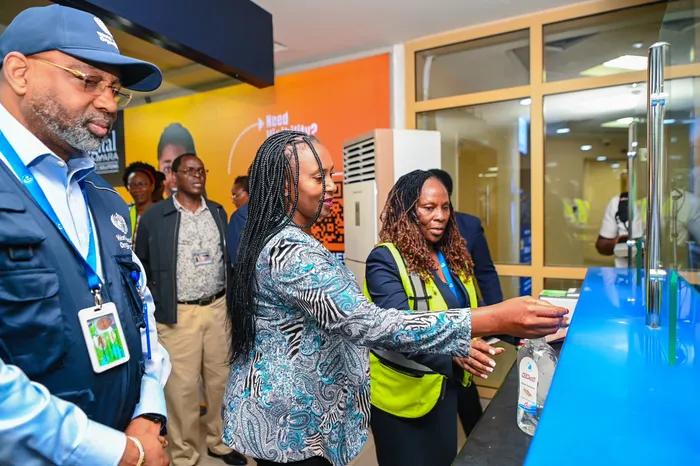
Health officials have also strengthened screening at major points of entry, including Jomo Kenyatta International Airport in Nairobi and the Busia border crossing with Uganda.
The measures include temperature checks, health assessments and improved surveillance of travellers arriving from countries considered at higher risk of Ebola transmission.
The latest case has renewed attention on the challenges of preventing infectious diseases from crossing international borders, particularly when travellers move through several countries before an infection is identified.
Kenya’s cases are linked to an ongoing outbreak of Bundibugyo virus disease in the Democratic Republic of the Congo.
The outbreak has become one of the most serious Ebola epidemics recorded globally, with more than 9,000 confirmed cases and over 4,000 deaths reported in the DRC by mid-October, according to Reuters.
The Bundibugyo strain is a rare species of Ebola virus. Unlike some other Ebola strains, it currently has no approved vaccine or specific treatment, making early diagnosis, isolation and supportive medical care particularly important.
Ebola spreads primarily through direct contact with the blood or other bodily fluids of an infected person who is showing symptoms, or through contaminated materials. It does not spread simply because people live in the same community.
Symptoms can include fever, severe fatigue, headache, muscle pain, vomiting and diarrhoea. Some patients may develop bleeding in severe cases.
The Ministry of Health has urged Kenyans to remain alert without panicking, stressing the importance of following official public health guidance.
Members of the public have been advised to practise good hand hygiene, avoid contact with bodily fluids from suspected or confirmed cases and seek medical attention promptly if they develop symptoms after a possible exposure.
Healthcare workers have also been urged to maintain infection prevention and control measures when assessing patients with compatible symptoms and relevant travel or exposure histories.
The World Health Organization is supporting efforts to strengthen surveillance, laboratory testing and infection control as Kenya works to contain the infections.
Although the three confirmed cases have been linked to the first patient, health authorities continue to monitor exposed individuals because additional infections may emerge among people already in quarantine.
The government’s immediate priority is to trace all remaining contacts, ensure that patients receive appropriate care and prevent further transmission into the wider community.
As investigations continue, officials say public cooperation and timely reporting of suspected infections will remain essential to containing the threat.
Leave a Reply