Blog

  • Cyclone Arnab Brings Destructive Weather to India’s Andhra Pradesh by Cyrus Munyao

    Cyclone Arnab Triggers Evacuations as Heavy Rain Hits India’s Eastern Coast

    India’s eastern state of Andhra Pradesh is facing severe weather after Cyclone Arnab brought heavy rainfall and damage to affected areas, according to reporting published on 28 October.

    Tens of thousands of people have been evacuated as authorities work to reduce the risk to coastal communities.

    Photo: Courtesy
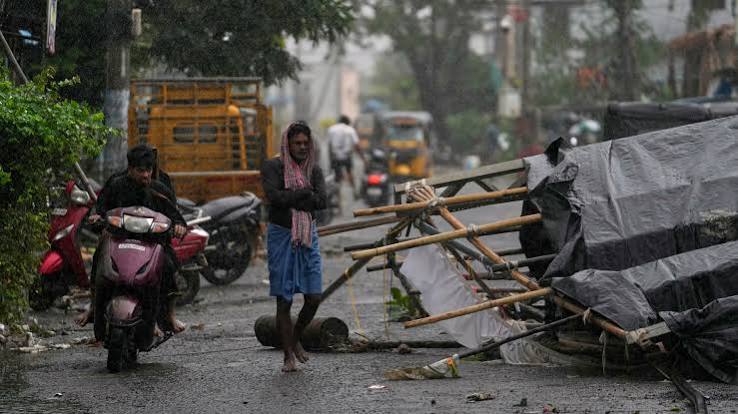
    The storm has raised concerns about flooding, damage to infrastructure and disruption to transport and other essential services. Emergency teams are working to support affected residents and respond to the evolving situation.

    Cyclones can bring dangerous winds, intense rainfall and storm surges, particularly in exposed coastal areas.
  • Fatal Bus Crash Renews Concerns Over Road Safety by Cyrus Munyao

    Fatal Bus Crash Renews Concerns Over Road Safety

    Kenya Faces Renewed Road Safety Concerns After Deadly Highway Collision

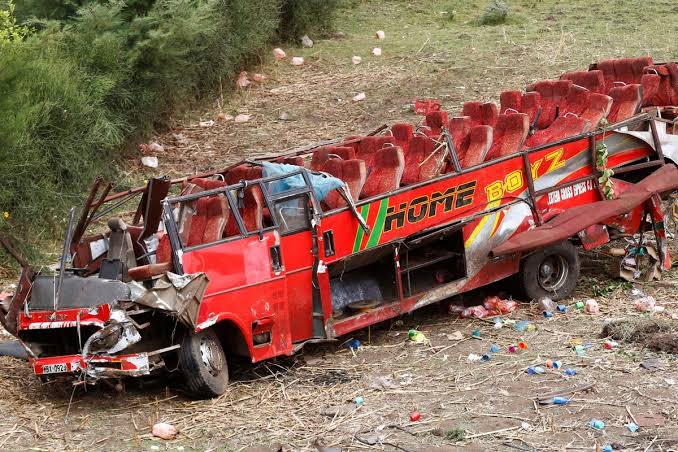
    A serious collision between a bus and a truck on Kenya’s main Nairobi–Mombasa highway killed at least 24 people and injured another 24, according to an Associated Press report published on 25 October.

    The crash occurred near Makueni, close to the site of another fatal accident earlier in the month.

    Photo: Courtesy

    Authorities have raised concerns about dangerous driving practices and vehicle safety. The National Transport and Safety Authority has also highlighted the scale of the country’s road-safety challenge.

    The government has called for inspections of public service vehicles following the latest tragedy.

  • Thousands Flee Violence in Ethiopia, Seeking Safety in Kenya by Cyrus Munyao

    More Than 36,000 People Cross Into Kenya as Ethiopia’s Regional Violence Displaces Families

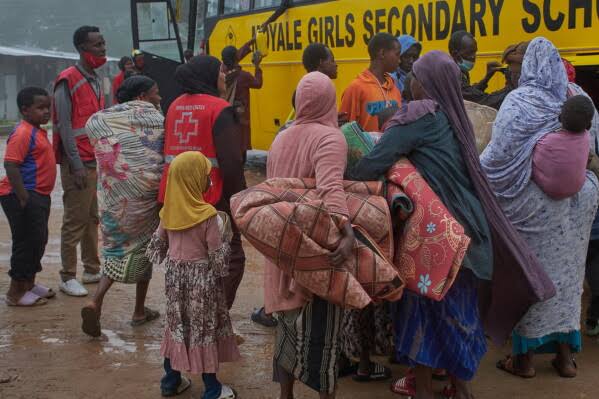
    More than 36,000 people have fled violence in Ethiopia and crossed into Kenya, according to reporting by the Associated Press on 27 October.

    The displacement is linked to fighting near the border town of Moyale, involving a territorial dispute between Ethiopia’s Oromia and Somali regional administrations.

    Photo: Courtesy

    Many of those arriving in Kenya are women and children. They are receiving assistance in camps and host communities, where humanitarian organisations are providing food, healthcare and essential household supplies.

    However, the growing number of displaced people is placing additional pressure on communities already facing shortages of food and water.

    Kenyan leaders have called for increased humanitarian assistance as concerns grow over the potential for the violence to spill across the border.

  • Kenya Activates Disaster Teams Ahead of Forecast El Niño Rains by Cyrus Munyao

    Photo: Courtesy

    Flooding wreaks havoc across East Africa

    Kenya Prepares for Potentially Severe Rains as Flood Risks Increase

    Kenyan authorities are stepping up preparations for the October–December rainy season amid warnings of a potentially strong El Niño event.

    According to a report published by The Star on 28 October, disaster-response teams have been urged to prepare in vulnerable areas, including Western Kenya, parts of the Rift Valley and low-lying floodplains such as the Tana Delta.

    Officials are encouraging county governments to clear drainage systems, improve emergency preparedness and communicate weather warnings to communities at risk.

    Heavy rainfall could threaten homes, roads, farms and public infrastructure. Flooding and landslides may also disrupt transport and access to essential services.

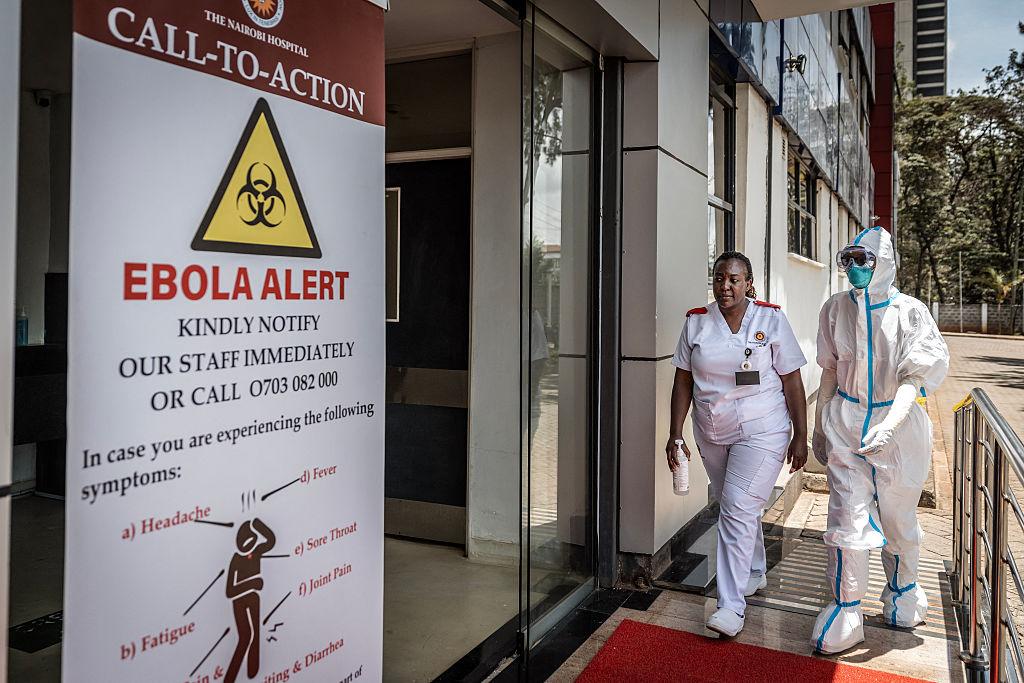
  • Kenya Releases First Ebola Contacts After Quarantine by Cyrus Munyao

    Kenya Makes Progress in Ebola Response as First 20 Contacts Leave Quarantine

    Kenya has released its first 20 Ebola contacts from quarantine after they completed 21 days of monitoring without developing symptoms.

    According to reporting by Reuters on 26 October, health authorities confirmed that the individuals had completed the required monitoring period. The development represents progress in the country’s efforts to contain the outbreak.

    However, health officials have stressed that surveillance and infection-control measures must continue. At the time of the report, Kenya had recorded nine cases, including two deaths, while additional contacts remained under observation.

    Authorities are also monitoring the possibility of cross-border transmission and coordinating public health responses

    Photo: Courtesy

  • Israel Election Ends Without a Clear Winner by Cyrus Munyao

    Israel Faces Political Uncertainty as Election Produces No Clear Majority

    Israel is facing a potentially prolonged period of political negotiations after its latest parliamentary election failed to produce an obvious winner. Early results and exit polls indicate that Prime Minister Benjamin Netanyahu’s Likud party remains competitive against the opposition led by Gadi Eisenkot.

    Neither political bloc appears to have secured the 61 seats needed for a majority in the 120-member Knesset. Arab-led parties could play a decisive role in determining which coalition eventually forms the next government.

    The election reflects deep divisions over national security, military service, judicial independence and Netanyahu’s leadership.

    Photo: Courtesy


  •  Powerful Earthquake Strikes Near Vanuatu by Cyrus Munyao

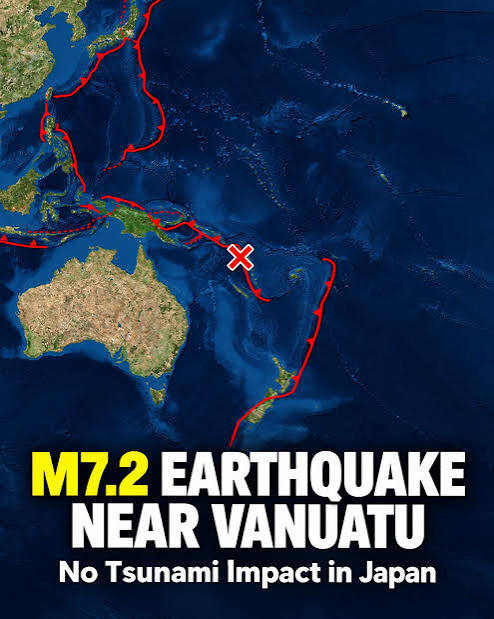
    Magnitude 7.2 Earthquake Strikes Pacific Waters Near Vanuatu

    A powerful earthquake has struck waters near Vanuatu, drawing attention to seismic risks across the Pacific region.

    According to reporting published on 24 October, the United States Geological Survey recorded a magnitude 7.2 earthquake in waters west of Sola, Vanuatu. The earthquake was reported at a depth of approximately 10 kilometres.

    Photo: Courtesy

    The event highlights the vulnerability of Pacific island nations to powerful earthquakes because of their location along tectonically active zones.

    Earthquakes of this magnitude can potentially cause structural damage, landslides and dangerous sea disturbances, depending on their depth, location and other geological factors.

    Authorities and monitoring agencies assess the characteristics of such earthquakes to determine whether tsunami warnings or other protective measures are necessary.

    Residents in earthquake-prone areas are advised to follow official emergency announcements, prepare for possible aftershocks and avoid damaged buildings until they have been declared safe.

    The earthquake also serves as a reminder of the importance of resilient infrastructure, public education and coordinated disaster-response systems in island communities.

  •  Deadly Attack at Church Funeral in Jordan Prompts Security Concerns by Cyrus Munyao

    Jordan Investigates Deadly Church Funeral Attack

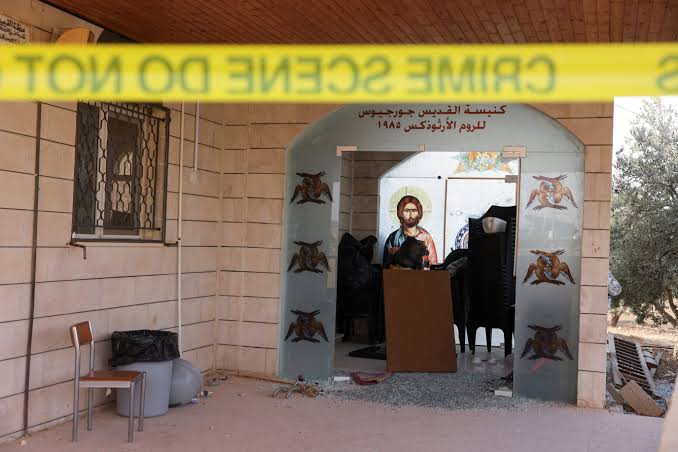
    Jordan is facing renewed security concerns following a gun attack during a funeral at a Greek Orthodox church in the Karak governorate.

    According to reporting published on 24 October, the attack killed several people and left dozens injured. The Associated Press reported that the death toll had risen to nine, with more than two dozen people hospitalised.

    The incident prompted heightened security measures as authorities responded to the attack and investigated the circumstances surrounding it.

    Photo: Courtesy

    The United States Embassy in Amman also reported increased security at locations including shopping centres and foreign diplomatic missions following the incident, according to Reuters.

    The attack has raised concerns about the protection of religious gatherings and public events, particularly where large numbers of people assemble.

    Investigators will need to establish the circumstances of the shooting, identify those responsible and determine whether the attack was motivated by religious, political or other factors. Such conclusions should not be drawn without supporting evidence from authorities.

    The incident comes amid broader regional instability, with security developments across the Middle East continuing to affect civilians and public institutions.

  • Typhoon Champi Disrupts Daily Life in Taiwan as Storm Moves Towards China by Cyrus Munyao

    Typhoon Champi has caused significant disruption in Taiwan, leaving one person dead and more than 500 injured as the storm moved away from the island towards the Chinese coast.

    According to Reuters reporting published on 24 October, the storm brought damaging winds and heavy weather, downing trees and disrupting electricity supplies.

    Authorities in affected areas implemented precautionary measures as the typhoon passed. Large parts of Taiwan, including Taipei, experienced disruptions, while flights were cancelled and some activities were suspended.

    Although the storm was weakening as it moved northwards, officials continued to monitor its progress and potential effects on coastal areas.

    Photo : Courtesy

    Typhoons can produce dangerous winds, flooding and landslides, particularly in areas with steep terrain or inadequate drainage. Even when a storm weakens, its outer bands can continue to produce hazardous weather.

    Residents in affected regions are being urged to follow official weather warnings, avoid flooded roads and stay away from damaged trees and electrical infrastructure.

    The storm also highlights the importance of disaster preparedness in the western Pacific, where seasonal tropical cyclones can threaten densely populated communities and critical infrastructure.

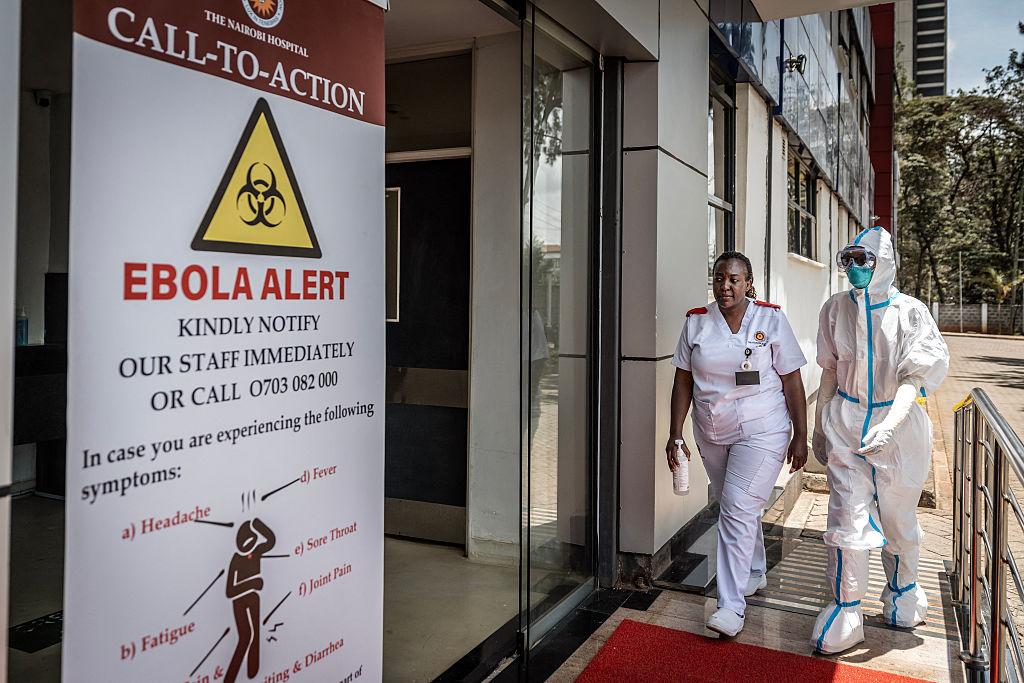
  • Kenya Reports Second Ebola Death as Regional Outbreak Spreads by Cyrus Munyao

    Kenya Intensifies Ebola Response Following Second Death

    Kenya has reported its second death linked to the current Ebola outbreak, prompting continued efforts to monitor contacts and prevent further transmission.

    According to Reuters, the latest victim was a 65-year-old woman who developed symptoms while in quarantine. She was a close relative and direct contact of Kenya’s first confirmed patient, who died in Nairobi on 5 October after travelling from the Democratic Republic of the Congo.

    As of the latest report on 23 October, Kenya had confirmed nine Ebola cases, with seven patients remaining under care at two isolation facilities.

    Photo: Courtesy

    Health authorities had identified approximately 135 contacts requiring monitoring. Officials reported no evidence of community transmission at the time of the report.

    The outbreak has also raised concerns beyond Kenya’s borders. Nigeria has reported a confirmed case, and authorities are investigating possible links between infections in different countries. Genetic analysis has identified similarities between the virus associated with the Kenyan and Nigerian cases, although the precise circumstances connecting them remain unclear.

    The outbreak involves the Bundibugyo strain of Ebola. Health authorities are relying on surveillance, isolation, contact tracing and infection-control measures to limit the spread.

    The situation underscores the importance of early detection, transparent communication and coordination between neighbouring countries.