Blog

  • IEBC urged to maintain livesreaming of2027 election results by Cyrus Munyao

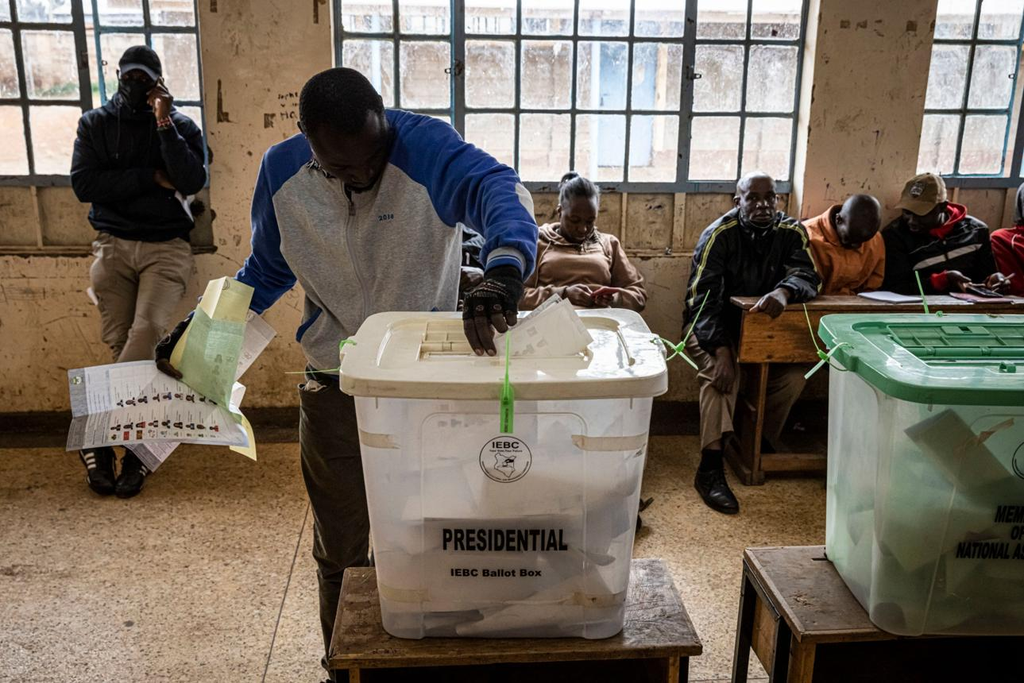
    Suba South Member of Parliament Caroli Omondi has urged the Independent Electoral and Boundaries Commission to maintain livestreaming of election results ahead of the 2027 General Election.

    Omondi said the electoral commission should ensure that Kenyans can follow the announcement of election results through audio and video platforms, regardless of whether journalists are physically present at tallying centres.

    Photo:Courtesy
    His remarks come amid debate surrounding proposed amendments to the Elections Act and the legal requirements governing the transmission and public announcement of election results.

    Government Spokesperson Charles Owino had earlier clarified that Parliament had not abolished the existing requirement under Section 39 of the Elections Act.

    The clarification followed the National Assembly’s decision to delete a contested clause in the Elections (Amendment) Bill on October 22, 2026.

    Livestreaming is intended to enhance transparency by allowing members of the public to follow the announcement of results as they happen.

    The debate comes as political parties, election observers and other stakeholders begin preparations for the 2027 General Election.
  • University unions want parliament to guarantee sh20 billion lecturers’ deal by Cyrus Munyao

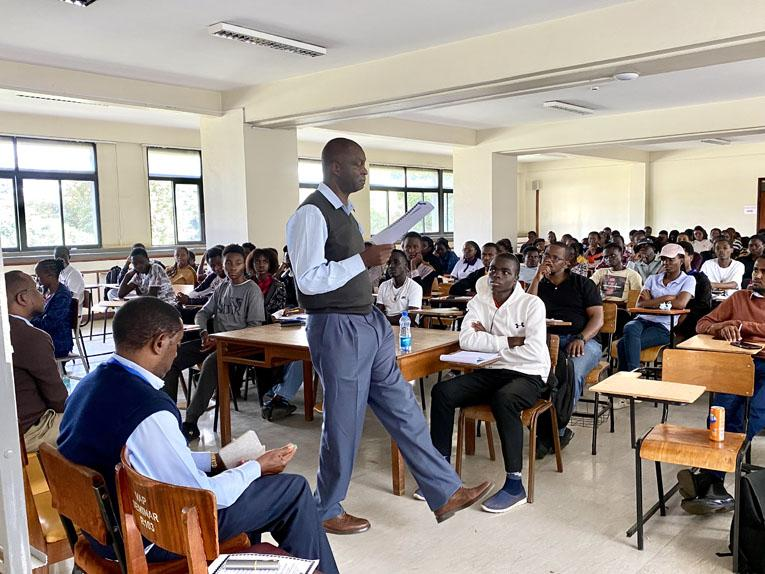
    Three university workers’ unions have appealed to Parliament to guarantee the release of Sh20 billion promised under the lecturers’ return-to-work agreement.

    The Universities Academic Staff Union (UASU), Kenya University Staff Union (KUSU) and Kenya Union of Domestic, Hotels, Educational Institutions, Hospitals and Allied Workers (KUDHEIHA) made the appeal before parliamentary committees on education and labour.

    Photo: Courtesy

    The unions want the National Treasury to release the funds to facilitate the implementation of the 2025–2029 Collective Bargaining Agreements.

    Under the agreement signed on October 30, 2026, the Treasury is expected to release approximately Sh6.7 billion annually in three instalments covering the 2026/2027, 2027/2028 and 2028/2029 financial years.

    UASU Secretary General Constantine Wasonga said the government must honour its financial commitments to prevent another dispute between university workers and their employers.

    The unions have also called for the settlement of outstanding debts owed to public universities.

    Meanwhile, Labour Committee Chairperson Ken Chonga warned that failure to secure Treasury backing could threaten the agreement and potentially trigger another strike.

    The development comes as public universities seek to restore stability following prolonged disputes over staff remuneration.

  • New technology to help trace KCSE Examination leaks, says Ogamba by Cyrus Munyao

    photo: Courtesy

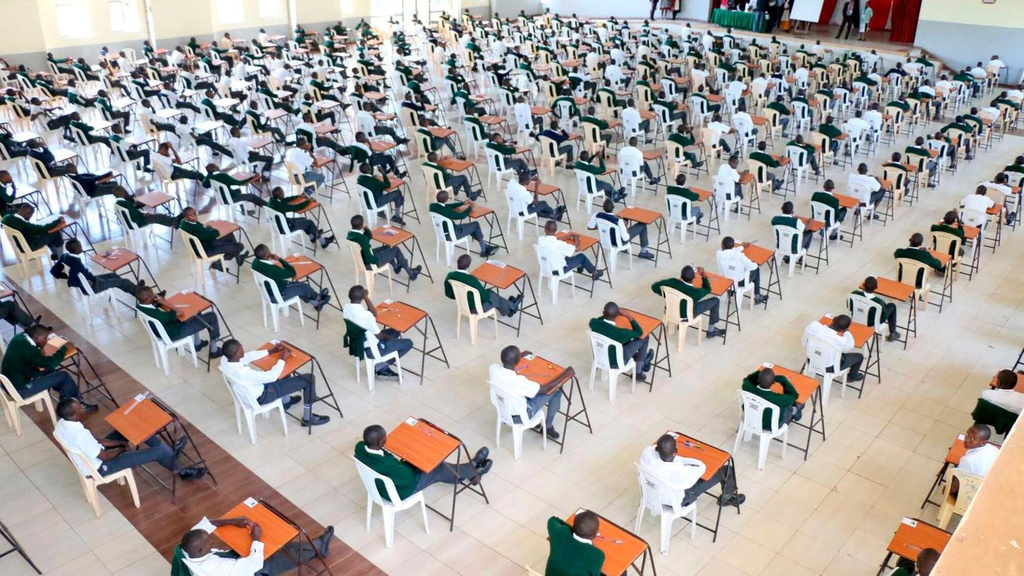
    Education Cabinet Secretary Julius Ogamba has revealed that new security technology embedded in the 2026 Kenya Certificate of Secondary Education examination papers can help investigators trace examination leaks to specific centres and candidates.

    Ogamba said the Kenya National Examinations Council had introduced special security features, including serialised examination papers and anonymous identification indicators.

    The technology is designed to help investigators establish the examination centre and room associated with leaked examination materials.

    The CS warned candidates and examination officials against photographing and circulating examination papers through social media platforms.

    He said individuals involved in examination malpractice risk exposing themselves and other candidates to investigations.

    The Directorate of Criminal Investigations has also deployed specialised officers to work alongside KNEC in investigating suspected examination irregularities.

    Other security measures include smart padlocks on examination containers, colour-coded cartons and personalised examination papers.

    The 2026 KCSE written examinations began on November 2, with the government maintaining heightened security around examination materials.

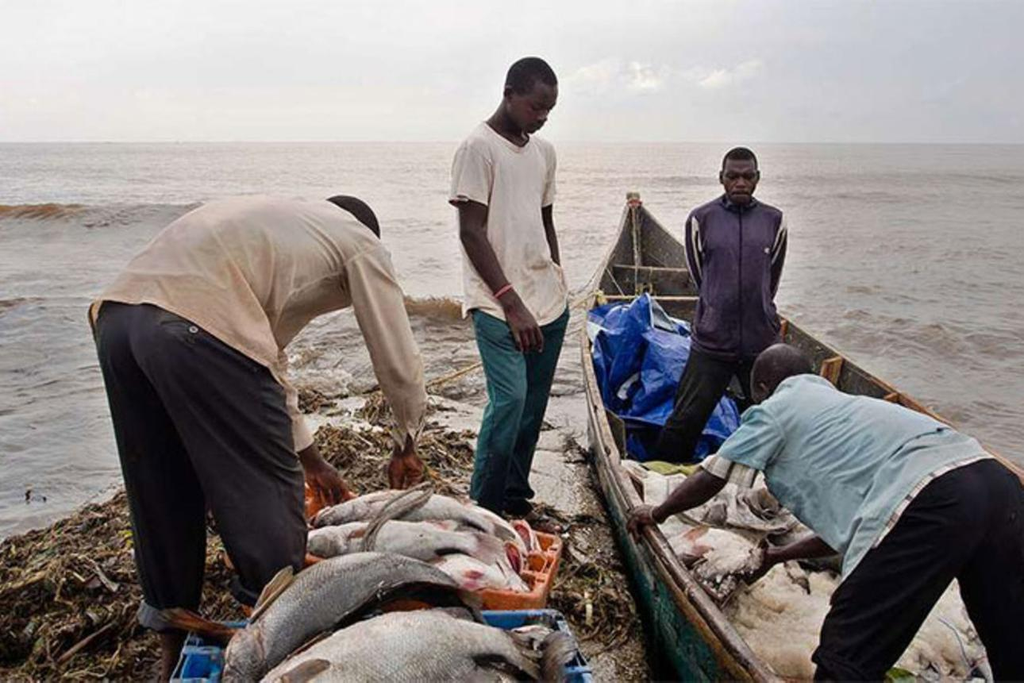
  • Government steps up investment in lake Victoria fishing industry by Cyrus Munyao

    The government is stepping up investments in the fishing industry around Lake Victoria in a renewed effort to improve fishermen’s incomes and strengthen the country’s blue economy.

    Principal Secretary for Internal Security and National Administration Raymond Omollo said the government was implementing infrastructure and security projects aimed at transforming fishing into a more profitable economic activity.

    Speaking during an engagement with Beach Management Units and business representatives in Migori County, Omollo highlighted the construction of nine modern fish landing sites around Lake Victoria.

    photo:Courtesy

    The facilities are expected to include cold-storage rooms, hygienic fish-handling areas and improved trading infrastructure to minimise post-harvest losses.

    The government is also expanding water transport infrastructure, with projects at Muhuru Bay, Usenge, Mbita and other locations.

    Additionally, Omollo announced plans to increase police deployments and patrol boats on the lake before the end of 2026 to address insecurity affecting fishing communities.

    The investments are expected to strengthen trade, improve fish preservation and create additional economic opportunities for communities that depend on the lake.

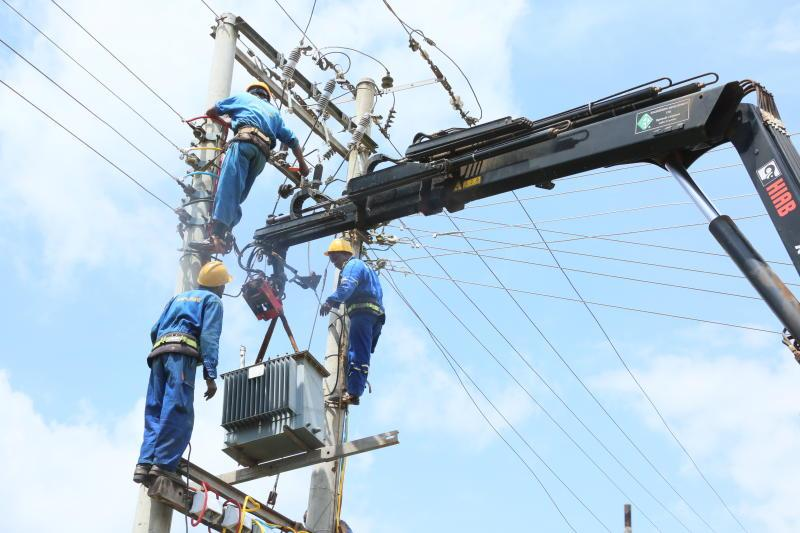
  • Machakos targets 30,000 households in electricity expansion drive by Cyrus Munyao

    The County Government of Machakos is targeting approximately 30,000 households for electricity connection under a new rural electrification programme.

    Governor Wavinya Ndeti announced that the county would partner with the Rural Electrification and Renewable Energy Corporation (REREC) to install 100 transformers across underserved areas.

    photo:Courtesy

    The governor said the county administration would invest more than Sh400 million in electricity infrastructure to expand access to power and stimulate economic activities.

    Speaking at Maasini Market in Ndithini Ward, Ndeti said the initiative would prioritise communities that have historically experienced limited electricity connectivity.

    The project is expected to benefit households, small-scale traders and entrepreneurs who rely on electricity to operate businesses.

    Improved electricity access could also support educational activities, healthcare services and agricultural enterprises in rural communities.

    The initiative forms part of broader efforts to expand energy access and improve living standards through infrastructure development.

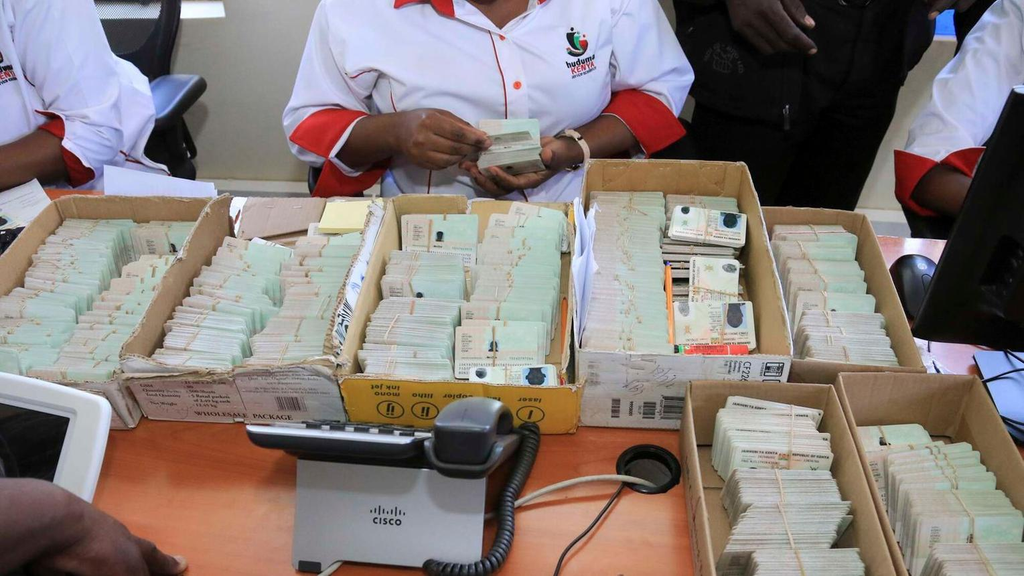
  • GOVERNMENT LAUNCHES CAMPAIGN TO TRACE 557,930 UNCOLLECTED NATIONAL ID CARDS by Cyrus Munyao

    The government has launched a nationwide campaign to trace more than half a million Kenyans who have yet to collect their national identity cards following registration.

    Principal Secretary for Immigration and Citizen Services Belio Kipsang revealed that 557,930 identification cards were still uncollected across the country.

    Speaking before the National Assembly’s Departmental Committee on Administration and Internal Security on November 5, Kipsang said the government had enlisted chiefs and assistant chiefs to help locate the applicants and facilitate the collection of their documents.

    The local administrators are expected to sensitise residents and identify individuals whose identification cards remain at registration centres.

    The initiative seeks to improve access to essential government services by ensuring that eligible citizens obtain their identification documents.

    Kipsang also disclosed that the government had invested in live-capture machines to improve the processing and production of identity cards.

    The campaign comes amid ongoing efforts to improve civil registration services and ensure that more Kenyans can access government services that require official identification.

    photo:Courtesy

  • Democrats Sweep US Midterms, Flipping House and Senate in Major Rebuke By Delson Visaho

    Democrats secured control of both the US House of Representatives and the Senate in the 2026 midterm elections, delivering a decisive victory that flipped multiple Republican-held seats across the country. Early and projected results showed Democrats gaining at least seven Senate seats and more than 40 House districts, pushing their Senate total to around 54 and the House majority well above the 218 needed for control. The outcome was widely described as a blue wave and a sharp repudiation of President Donald Trump’s agenda.

    Key winners included James Talarico, who became the first Democrat elected to the US Senate from Texas since 1988 after defeating Republican Ken Paxton; Adam Hamilton, who won in Kansas to become the state’s first Democratic senator since 1932; Annie Andrews, who flipped the South Carolina Senate seat; Sherrod Brown in Ohio; Roy Cooper in North Carolina; and Troy Jackson, who unseated longtime Republican Senator Susan Collins in Maine. Jon Ossoff was comfortably re-elected in Georgia. In the House, Democrats flipped numerous suburban and previously safe Republican districts.

    Prominent losers included several Trump-backed candidates and incumbents. Republican Senate hopefuls in Texas, South Carolina, Kansas and other states fell short, while House Republicans saw dozens of seats change hands.

    Governor races also produced Democratic gains in states such as Texas, Ohio and Georgia. Analysts noted that economic concerns, inflation and dissatisfaction with the administration drove the results, with Republicans failing to flip any Democratic-held congressional seats in many reports.

    As final tallies continue in a few outstanding races, including possible holds in Alaska and Mississippi, attention has turned to the implications for the remaining two years of the Trump presidency. Democratic leaders pledged to use their new majorities to check executive power and advance their priorities, while Republicans began assessing the scale of the setback. The results mark one of the most significant midterm shifts in recent decades.

  • Garissa Residents Gain Improved Access Through New Rural Road Network By Delson Visaho

    Residents of several wards in Garissa County are benefiting from newly graded and gravelled rural roads that connect villages to markets and health facilities.

    The road works, completed under a county infrastructure programme, cover key routes in Balambala, Fafi and Dadaab sub-counties. Local leaders said travel times have reduced significantly for traders and patients.

    Construction teams used locally sourced materials where possible and employed residents for manual labour and site support. Improved drainage structures were included to withstand seasonal rains common in the region.

    Livestock traders reported easier
    movement of animals to larger markets.
    Community members participated in identifying priority routes during the planning stage. County engineers continue to monitor the roads for early maintenance needs. Security along the routes has also improved with better accessibility for patrols.

    Additional road sections are scheduled for upgrading in the next phase of the programme. Residents expressed appreciation for the practical impact on daily life and economic activity in previously hard-to-reach areas.

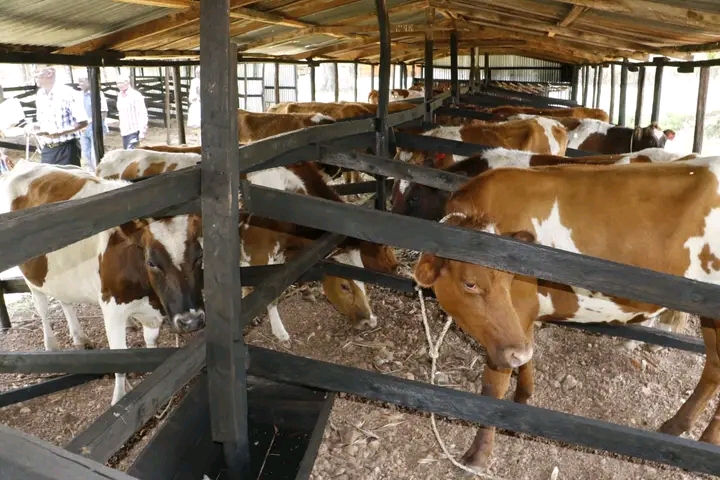
  • Nyandarua Youth Empowered Through Dairy Value-Addition Training By Delson Visaho

    Young people in Nyandarua County are gaining practical skills in milk processing and dairy product packaging through a new value-addition training programme. More than 400 participants from Ol Kalou, Kinangop and Ndaragwa have completed courses covering yoghurt making, cheese production and basic business management. County officers said the training aims to reduce post-harvest losses and create local jobs.

    Practical sessions were held at existing dairy cooperatives where trainees worked with fresh milk under the guidance of experienced processors. Several groups have already started small-scale production for local markets. Mentors continue to offer follow-up advice on hygiene standards and marketing.

    Women and youth groups form the majority of participants, reflecting the strong role of dairy in household incomes across the county. Access to small grants for equipment is being arranged for the best-performing groups. Local leaders praised the focus on practical skills rather than theory alone.

    Plans are under way to link successful graduates with larger buyers in Nairobi and beyond. Residents hope the programme will encourage more young people to remain in the dairy sector and build sustainable enterprises.

  • Port Expands Green Energy Use with New Solar Installation By Delson Visaho

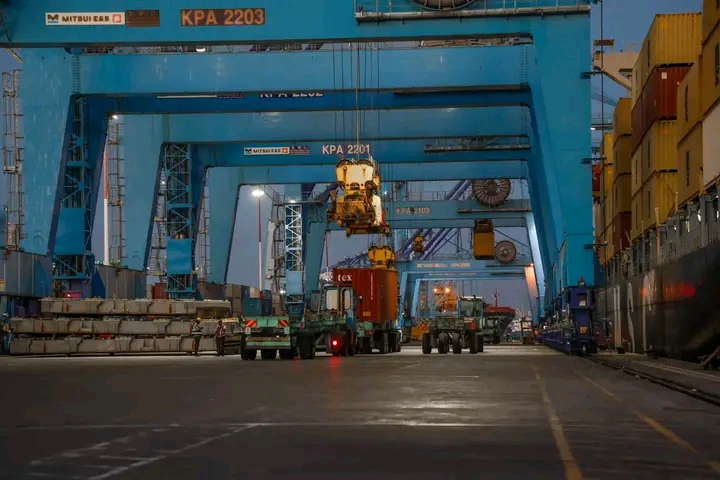
    The Port of Mombasa has commissioned a large solar power installation aimed at reducing reliance on the national grid and cutting operational costs. The project covers key cargo-handling areas and administrative buildings, with officials saying it will supply a significant portion of daytime electricity needs. Port management described the move as part of a broader push toward sustainable operations.

    Engineers installed high-efficiency panels on warehouse rooftops and open land near the container terminals. Early performance data shows stable power generation even during partly cloudy conditions common along the coast. Workers at the facility noted fewer interruptions during peak cargo-handling hours.

    The initiative includes training for technical staff on system maintenance and monitoring. Environmental officers highlighted the expected reduction in diesel generator use and associated emissions. Local suppliers provided parts of the mounting structures, creating short-term employment during construction.

    Further phases of the green energy plan are under review for the coming financial year. Stakeholders say the project strengthens the port’s competitiveness while supporting national climate goals.