Author: Visaho Delson

  • Democrats Sweep US Midterms, Flipping House and Senate in Major Rebuke By Delson Visaho

    Democrats secured control of both the US House of Representatives and the Senate in the 2026 midterm elections, delivering a decisive victory that flipped multiple Republican-held seats across the country. Early and projected results showed Democrats gaining at least seven Senate seats and more than 40 House districts, pushing their Senate total to around 54 and the House majority well above the 218 needed for control. The outcome was widely described as a blue wave and a sharp repudiation of President Donald Trump’s agenda.

    Key winners included James Talarico, who became the first Democrat elected to the US Senate from Texas since 1988 after defeating Republican Ken Paxton; Adam Hamilton, who won in Kansas to become the state’s first Democratic senator since 1932; Annie Andrews, who flipped the South Carolina Senate seat; Sherrod Brown in Ohio; Roy Cooper in North Carolina; and Troy Jackson, who unseated longtime Republican Senator Susan Collins in Maine. Jon Ossoff was comfortably re-elected in Georgia. In the House, Democrats flipped numerous suburban and previously safe Republican districts.

    Prominent losers included several Trump-backed candidates and incumbents. Republican Senate hopefuls in Texas, South Carolina, Kansas and other states fell short, while House Republicans saw dozens of seats change hands.

    Governor races also produced Democratic gains in states such as Texas, Ohio and Georgia. Analysts noted that economic concerns, inflation and dissatisfaction with the administration drove the results, with Republicans failing to flip any Democratic-held congressional seats in many reports.

    As final tallies continue in a few outstanding races, including possible holds in Alaska and Mississippi, attention has turned to the implications for the remaining two years of the Trump presidency. Democratic leaders pledged to use their new majorities to check executive power and advance their priorities, while Republicans began assessing the scale of the setback. The results mark one of the most significant midterm shifts in recent decades.

  • Garissa Residents Gain Improved Access Through New Rural Road Network By Delson Visaho

    Residents of several wards in Garissa County are benefiting from newly graded and gravelled rural roads that connect villages to markets and health facilities.

    The road works, completed under a county infrastructure programme, cover key routes in Balambala, Fafi and Dadaab sub-counties. Local leaders said travel times have reduced significantly for traders and patients.

    Construction teams used locally sourced materials where possible and employed residents for manual labour and site support. Improved drainage structures were included to withstand seasonal rains common in the region.

    Livestock traders reported easier
    movement of animals to larger markets.
    Community members participated in identifying priority routes during the planning stage. County engineers continue to monitor the roads for early maintenance needs. Security along the routes has also improved with better accessibility for patrols.

    Additional road sections are scheduled for upgrading in the next phase of the programme. Residents expressed appreciation for the practical impact on daily life and economic activity in previously hard-to-reach areas.

  • Nyandarua Youth Empowered Through Dairy Value-Addition Training By Delson Visaho

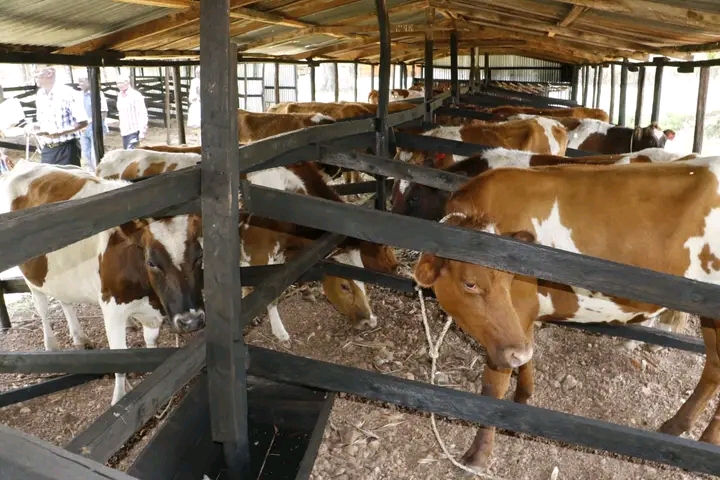
    Young people in Nyandarua County are gaining practical skills in milk processing and dairy product packaging through a new value-addition training programme. More than 400 participants from Ol Kalou, Kinangop and Ndaragwa have completed courses covering yoghurt making, cheese production and basic business management. County officers said the training aims to reduce post-harvest losses and create local jobs.

    Practical sessions were held at existing dairy cooperatives where trainees worked with fresh milk under the guidance of experienced processors. Several groups have already started small-scale production for local markets. Mentors continue to offer follow-up advice on hygiene standards and marketing.

    Women and youth groups form the majority of participants, reflecting the strong role of dairy in household incomes across the county. Access to small grants for equipment is being arranged for the best-performing groups. Local leaders praised the focus on practical skills rather than theory alone.

    Plans are under way to link successful graduates with larger buyers in Nairobi and beyond. Residents hope the programme will encourage more young people to remain in the dairy sector and build sustainable enterprises.

  • Port Expands Green Energy Use with New Solar Installation By Delson Visaho

    The Port of Mombasa has commissioned a large solar power installation aimed at reducing reliance on the national grid and cutting operational costs. The project covers key cargo-handling areas and administrative buildings, with officials saying it will supply a significant portion of daytime electricity needs. Port management described the move as part of a broader push toward sustainable operations.

    Engineers installed high-efficiency panels on warehouse rooftops and open land near the container terminals. Early performance data shows stable power generation even during partly cloudy conditions common along the coast. Workers at the facility noted fewer interruptions during peak cargo-handling hours.

    The initiative includes training for technical staff on system maintenance and monitoring. Environmental officers highlighted the expected reduction in diesel generator use and associated emissions. Local suppliers provided parts of the mounting structures, creating short-term employment during construction.

    Further phases of the green energy plan are under review for the coming financial year. Stakeholders say the project strengthens the port’s competitiveness while supporting national climate goals.

  • Kakamega Farmers Record Higher Maize Harvests After Soil Health Drive By Delson Visaho

    Farmers in Kakamega County are reporting stronger maize yields this season following a county-wide soil health and fertilizer application programme. More than 9,000 smallholders in Lurambi, Malava and Mumias East received soil testing services and targeted advice on nutrient management. Agricultural officers said the improved practices have helped reverse declining productivity in several wards.

    Field demonstrations focused on correct fertilizer timing, intercropping with legumes and the use of organic matter to restore soil structure. Many farmers who previously recorded low harvests due to acidic soils now report healthier plants and better grain quality. Cooperative societies have organised bulk purchases of recommended inputs to keep costs manageable.

    Youth groups involved in the programme have also been trained on simple record-keeping and market linkages. County officials noted that early marketing of the surplus is already improving household incomes in participating villages. Extension teams continue to monitor plots and provide follow-up support.

    The county plans to expand the soil-testing initiative to additional sub-counties next season. Residents say the practical training has given them greater confidence in managing their farms under changing weather conditions.

  • Global Health Initiative Reports Major Progress Against Neglected Tropical Diseases By Delson Visaho

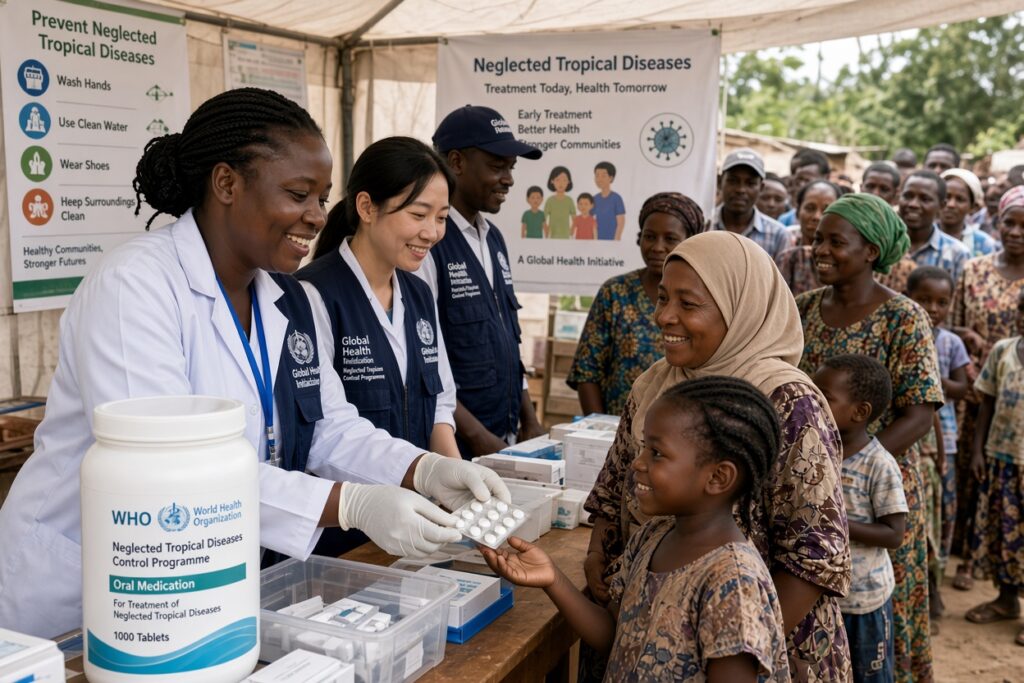
    An international health partnership has announced significant progress in the fight against several neglected tropical diseases, with treatment coverage reaching record levels in multiple regions. The latest report shows that more than 1.5 billion treatments were delivered in the past year through coordinated mass drug administration campaigns. Scientists and public health officials described the results as a major step toward elimination targets set for the coming decade.

    The initiative brings together governments, research institutions, and pharmaceutical partners to supply free or low-cost medicines for diseases such as river blindness, lymphatic filariasis, and schistosomiasis. Data indicate sharp declines in infection rates in several endemic countries following sustained intervention. Experts emphasized that continued funding and community engagement remain essential to prevent resurgence.

    New diagnostic tools and improved mapping techniques have allowed health teams to target remaining hotspots more effectively. The report also highlights the growing role of local health workers and community volunteers in delivering treatments and monitoring outcomes. Officials noted that the progress demonstrates the value of long-term international collaboration on diseases that primarily affect the world’s poorest populations.

    Further research and next-generation treatments are under development to address remaining challenges. Global health leaders called for sustained political commitment to maintain momentum and protect the gains achieved so far.

  • Nyeri Schools Introduce Environmental Clubs Focused on Tree Planting By Delson Visaho

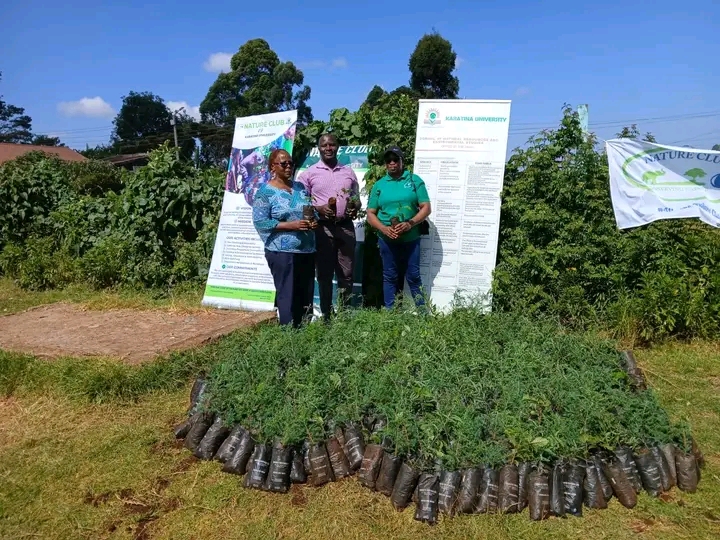
    Primary and secondary schools across Nyeri County have launched environmental clubs dedicated to large-scale tree planting and conservation education. More than 120 schools are participating in the first year, with students planting indigenous and fruit trees within school compounds and nearby community lands. Education and environment officers jointly developed the curriculum materials used by the clubs.

    Teachers reported high student enthusiasm, with many clubs organizing weekly activities that combine practical planting with lessons on climate and biodiversity. Several schools have already established small tree nurseries to supply seedlings for ongoing projects. Parents and local community groups have joined some of the planting days, strengthening school-community ties.

    The initiative aligns with national targets for increasing forest cover and provides students with hands-on experience in environmental stewardship. County officials plan to recognize the most active schools at the end of the academic year. Early monitoring shows good survival rates for the newly planted trees thanks to student care and watering schedules.

    Expansion to additional schools is planned once the pilot phase is reviewed. Educators said the clubs are helping instil a culture of environmental responsibility among the next generation of Nyeri residents.

  • Turkana Pastoralists Benefit from Expanded Livestock Markets By Delson Visaho

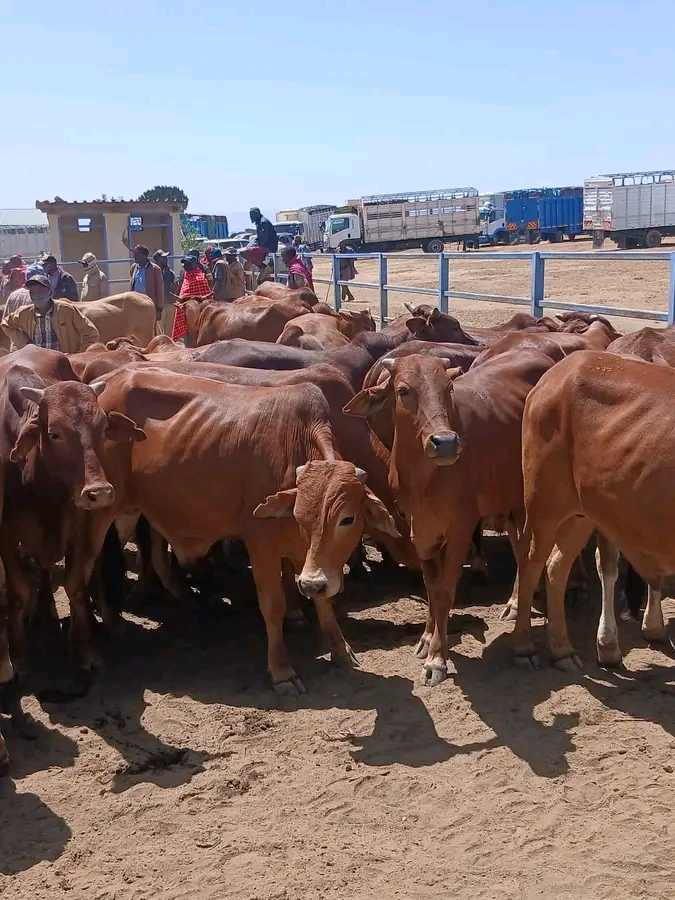
    Pastoralist communities in Turkana County are reporting better returns following the upgrade of several livestock markets and the introduction of mobile veterinary services. The improved facilities in Lodwar, Kakuma, and Lokichoggio now include weighing scales, holding pens, and shade structures that meet national standards. Traders said the organized markets have reduced losses and increased buyer confidence.

    County livestock officers have partnered with national agencies to provide regular vaccination campaigns and disease surveillance at the markets. Pastoralists travelling long distances now have access to basic animal health services on market days. Women traders involved in small stock sales have noted improved security and fairer pricing under the new arrangements.

    The upgrades form part of a broader resilience program aimed at strengthening livestock value chains in arid and semi-arid lands. Local leaders highlighted the importance of linking pastoralists to larger markets in neighbouring counties and across borders. Early data shows higher volumes of cattle, goats, and camels changing hands compared with previous seasons.

    Additional market centres are scheduled for improvement in the next phase of the program. Community members expressed hope that the better infrastructure will support more stable incomes and encourage younger generations to remain in the livestock sector.

  • Kisumu City Launches Modern Public Transport Hubs By Delson Visaho

    Kisumu City has opened three new modern public transport hubs designed to ease congestion and improve passenger safety. The facilities, located in key commercial zones, feature designated boarding bays, waiting shelters, sanitation facilities, and digital information boards. City officials said the project forms part of a broader effort to modernize urban mobility along the lakeside region.

    Matatu and bus operators have welcomed the organized system, noting that the clear routing and reduced roadside stopping have improved traffic flow during peak hours. Security personnel and city inspectors are stationed at the hubs to maintain order and address passenger complaints. Early usage figures indicate strong adoption by both operators and daily commuters.

    The hubs were constructed with input from transport associations and local residents to ensure practical design. Solar lighting and rainwater harvesting systems were incorporated to lower operating costs and promote sustainability. City planners say the model could be replicated in other growing urban centres across western Kenya.

    Further improvements, including integrated ticketing options, are under consideration for the coming year. Residents have praised the cleaner and more orderly environment around the new terminals compared with previous informal stages.

  • Meru County Tea Farmers Adopt Organic Certification to Boost Exports By Delson Visaho

    Tea farmers in Meru County have begun transitioning to organic farming practices under a new certification program aimed at accessing premium international markets. More than 6,500 smallholders in areas such as Imenti and Tigania have enrolled, receiving training on natural pest control and soil enrichment methods. County agricultural officers reported that the first certified batches are already attracting higher prices from European buyers.

    The initiative includes support for group certification, reducing individual costs for farmers who previously struggled to meet export standards. Cooperative societies have established collection centres equipped with improved storage to maintain leaf quality. Local leaders said the shift is helping protect the region’s reputation for high-quality tea while addressing concerns about chemical residues.

    Youth and women farmers have been particularly active in the program, with several groups forming dedicated organic production units. Extension officers continue to monitor fields and provide ongoing technical advice. Early results show improved soil health and reduced input costs for participating households.

    Plans to expand the program to additional tea-growing zones in the county are under discussion for the next planting season. Residents expressed optimism that organic certification will strengthen incomes and create new opportunities in value addition and packaging.