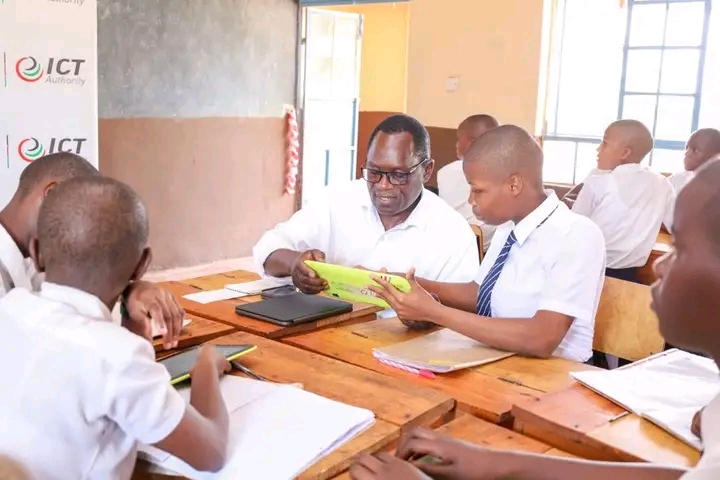
Primary and secondary schools in several informal settlements across Nairobi have started rolling out a new digital learning initiative aimed at bridging the technology gap.
The program, supported by the Ministry of Education and private partners, has already distributed tablets and solar-powered charging stations to more than 40 schools in areas including Kibera, Mathare, and Mukuru. Teachers received specialized training to integrate the devices into daily lessons.
Students are now able to access interactive lessons in mathematics, science, and English even during power outages, thanks to the solar units.
School heads reported improved attendance and engagement in the first month of implementation. Parents in the targeted communities welcomed the move, saying it gives their children a fairer chance to compete with peers in better-resourced schools.
Education officials emphasized that the tablets come pre-loaded with the national curriculum and offline content to avoid heavy data costs.
Monitoring teams will visit participating schools every term to assess progress and address technical challenges. Early feedback from teachers indicates that learners who previously struggled with textbooks are responding positively to the visual and interactive materials.
The county education board plans to expand the program to additional schools in the next academic year if the pilot continues to show strong results. Stakeholders stressed that sustained teacher support and device maintenance will be critical to long-term success.
Leave a Reply